



Upgrading a 1940s Door for Modern Locks
Older homes built in the 1940s often feature beautiful solid wood doors with craftsmanship that’s difficult to find today. While these vintage doors add character and charm, replacing the original hardware can quickly become complicated.
Many homeowners discover that modern locks don’t always fit older doors correctly.
The issue usually isn’t the door itself — it’s the difference between vintage lock systems and modern hardware standards.
Fortunately, in many cases, older doors can still be upgraded without replacing the entire door. With the right preparation and reinforcement, modern locks can often be installed while preserving the original door.
Why 1940s Doors Are Different From Modern Doors

Different Lock Mechanisms

One of the biggest differences is the lock system itself.
Many 1940s doors originally used:
- Mortise locks
- Skeleton key systems
- Long backplate hardware
- Box-style internal lock bodies
Modern doors typically use:
- Cylindrical locksets
- Tubular latches
- Separate deadbolt systems
- Standardized bore hole layouts
Because the internal structures are completely different, replacing vintage hardware with modern locks is not always a direct swap.
Different Bore Hole Sizes & Openings

Modern locksets are usually designed around standardized dimensions, including:
- 2-1/8" bore holes
- Standard latch openings
- Common backset measurements
Older doors may have:
- Smaller knob holes
- Irregular openings
- Rectangular mortise cutouts
- Enlarged or worn lock areas
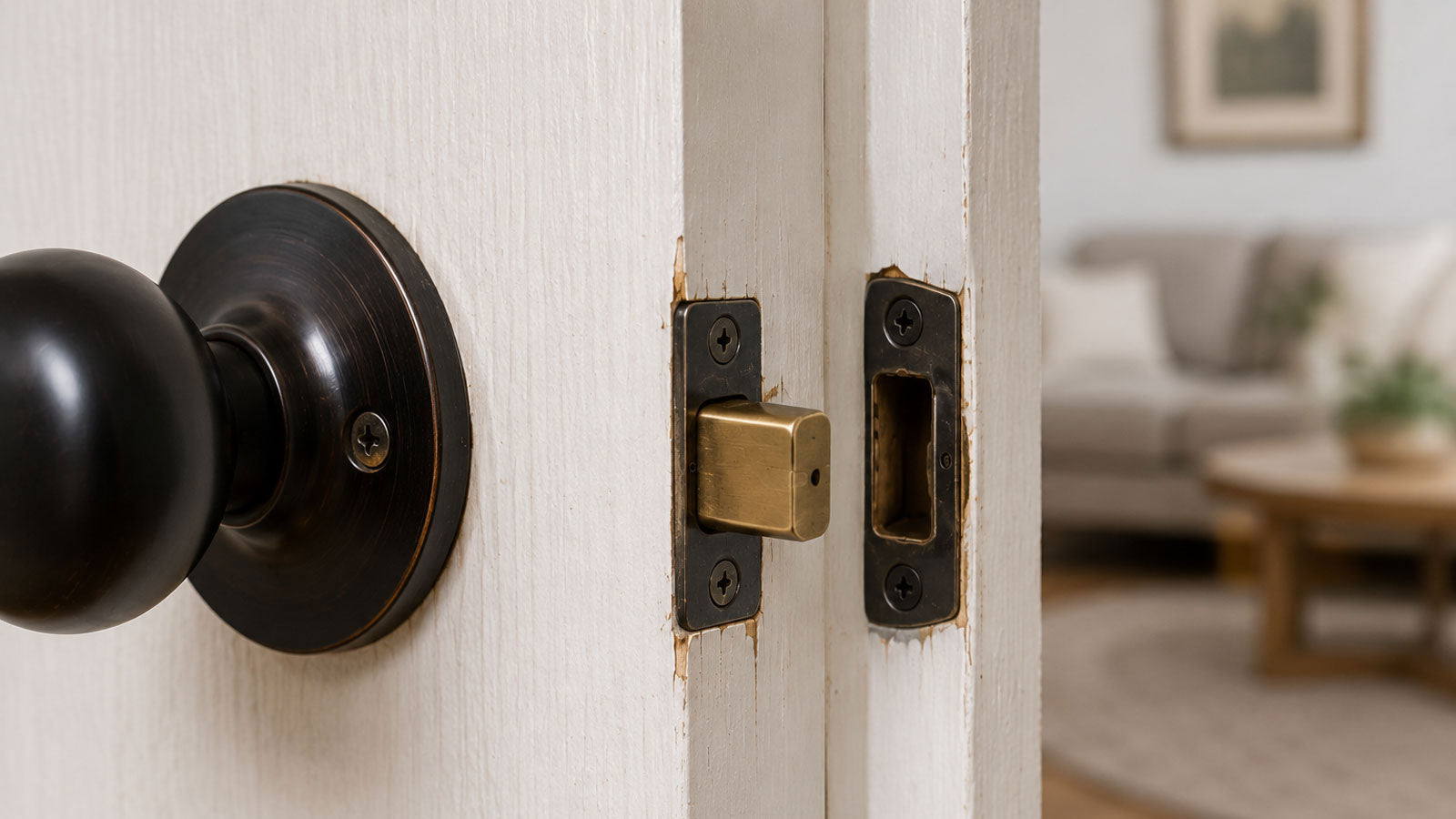
After removing old hardware, homeowners are often left with exposed openings or damaged wood around the lock area.
Different Backplate & Screw Locations
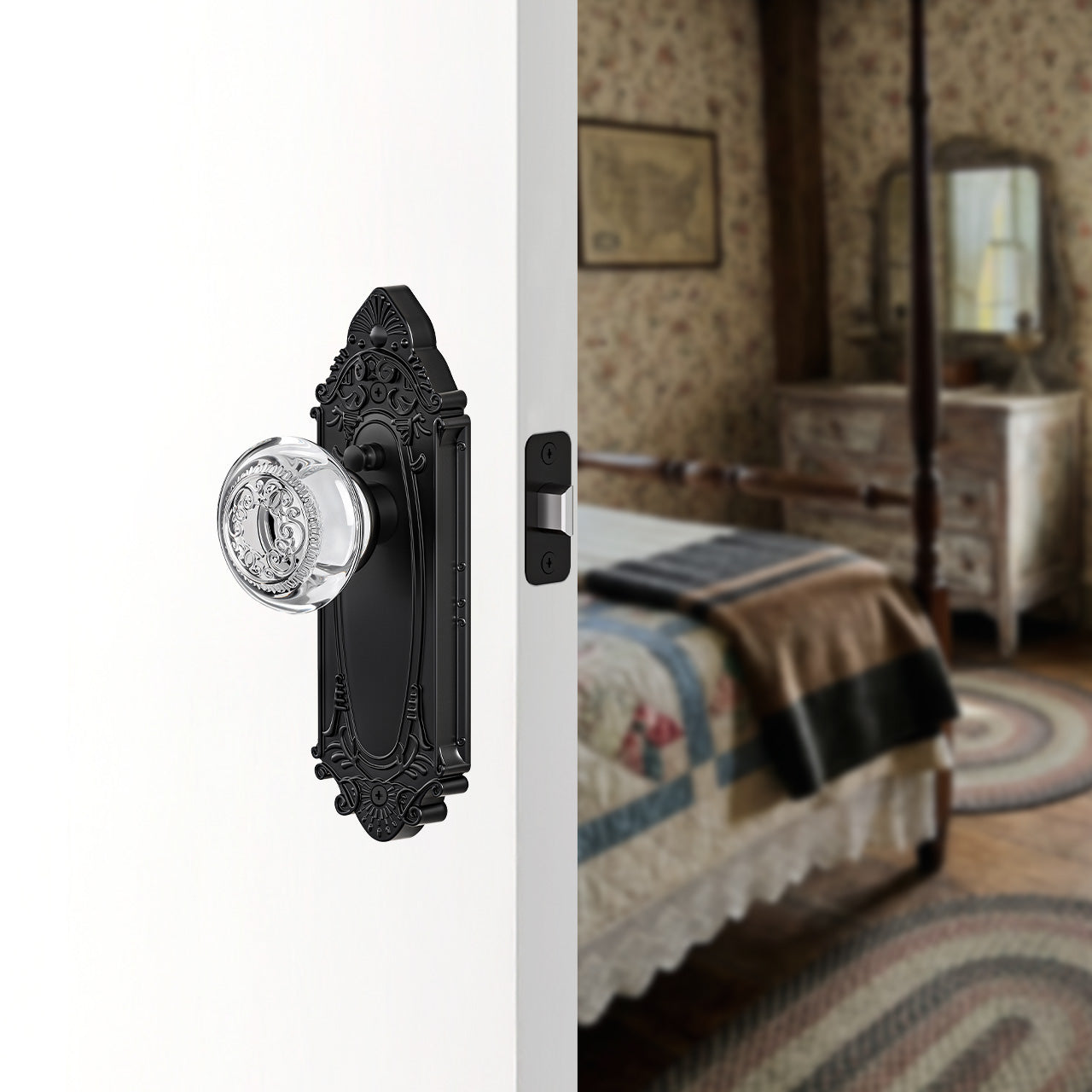
Vintage hardware from the 1940s often featured:
- Large decorative backplates
- Tall escutcheons
- Wider screw spacing
Modern hardware is typically more compact and minimalist.
As a result, replacing old hardware can leave behind:
- Visible screw holes
- Paint shadows
- Exposed wood
- Uneven surfaces around the lock area
Older Doors May Have Structural Wear
After decades of daily use, many older doors develop wear around the lock area, including:
- Cracked wood
- Enlarged screw holes
- Softened wood fibers
- Splitting near the latch
This can make modern lock installation less secure or unstable without reinforcement.
Can Modern Locks Be Installed on a 1940s Door?
In many cases, yes.
However, the process often involves adapting the existing door structure rather than simply replacing the hardware.
Depending on the original lock system, installation may require:
- Filling old mortise openings
- Adjusting bore hole sizes
- Repairing damaged wood
- Stabilizing weakened areas
- Covering old hardware marks
This is where door reinforcement plates can become especially useful.
What Is a Door Reinforcement Plate?
A door reinforcement plate is a metal strengthening plate installed around the lock area of the door.

It is commonly used for:
- Reinforcing damaged door knob or deadbolt areas
- Repairing worn or broken doors
- Increasing resistance to forced entry
- Restoring door appearance after hardware replacement
For older doors, reinforcement plates can also help create a stronger and cleaner surface for installing modern hardware.
How Reinforcement Plates Help Older Doors

Covering Oversized or Damaged Openings
Older lock removals often leave behind:
- Chipped edges
- Oversized holes
- Uneven surfaces
- Visible mortise cutouts
A reinforcement plate helps cover these imperfections while improving the overall appearance of the door.
Strengthening Worn Wood
On older wooden doors, the area around the lock may no longer hold screws securely.
A reinforcement plate helps distribute pressure across a larger area, improving hardware stability and helping support modern lock installation.
Improving Security
Vintage wooden doors can become vulnerable around weakened lock areas.
Reinforcement plates add structural support around the door knob or deadbolt opening, helping increase resistance to forced entry.
Helping Modern Hardware Fit More Cleanly
While reinforcement plates do not completely convert an old lock system into a modern one, they can help simplify the adaptation process by:
- Covering previous hardware marks
- Supporting repaired areas
- Helping stabilize modern lock installation
- Reducing visible imperfections after hardware replacement
This is especially helpful when transitioning from older mortise hardware to modern cylindrical locksets.
Common Upgrade Options for 1940s Doors

Option 1 — Preserve the Original Mortise Lock
Best for:
- Historic homes
- Antique restorations
- Original architectural preservation
This option maintains the original appearance and functionality of the door.
Option 2 — Install a Modern Mortise Lock
Best for:
- Keeping a vintage look
- Upgrading functionality
- Maintaining traditional proportions
Modern mortise systems can often fit older doors more naturally than cylindrical locks.
Option 3 — Convert to a Modern Cylindrical Lock
Best for:
- Easier maintenance
- More lock options
- Modern security upgrades
- Simplified future replacement
This is one of the most common upgrade paths for older homes today.
Depending on the condition of the door, reinforcement plates may help support the conversion process while improving both appearance and structural stability.

Final Thoughts
1940s doors were built differently from modern doors, but that doesn’t mean they need to be replaced when upgrading hardware.
The biggest challenges usually involve:
- Different lock mechanisms
- Non-standard openings
- Old hardware footprints
- Worn or damaged wood
With the proper preparation — and in many cases, reinforcement plates — older doors can often be adapted for modern hardware while preserving the character and craftsmanship that make vintage homes unique.