



Introduction
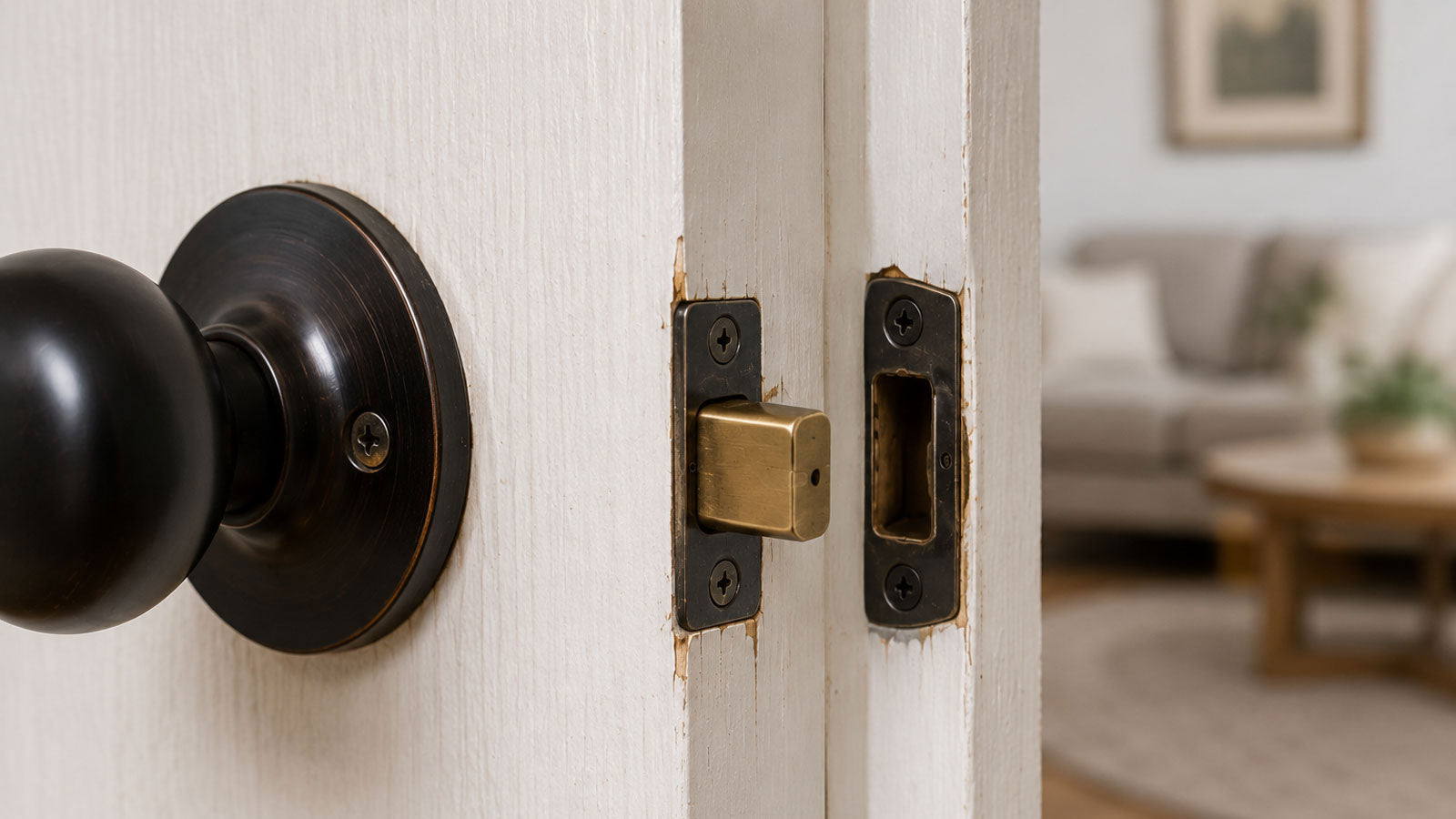
Over time, doors can become damaged around the lock and deadbolt areas due to daily use, attempted forced entry, hardware replacements, or aging materials.
When the wood around a lock begins to crack, split, or wear out, replacing the entire door isn't always necessary.
A door reinforcement plate provides a simple and cost-effective solution by strengthening weakened areas, improving security, and restoring the appearance of damaged doors.
In this guide, we'll explain what a door reinforcement plate is, when it's needed, and how it can help extend the life of your door.

What Is a Door Reinforcement Plate?
A door reinforcement plate is a metal plate installed around the door knob and deadbolt openings.

Its purpose is to:
- Strengthen weakened door material
- Cover damaged or oversized holes
- Improve resistance against forced entry
- Support new lock installations
- Extend the lifespan of older doors
Most reinforcement plates are made from durable steel or zinc alloy and are designed to fit standard residential door preparations.
Common Reasons Homeowners Use a Door Reinforcement Plate
1. Repairing Damage Around the Lock Area
The area surrounding a door knob or deadbolt experiences constant stress.
Over time you may notice:
- Cracked wood
- Splintering
- Enlarged lock holes
- Worn screw locations
A reinforcement plate helps restore structural strength without replacing the entire door.

2. Upgrading Older Doors for Modern Hardware
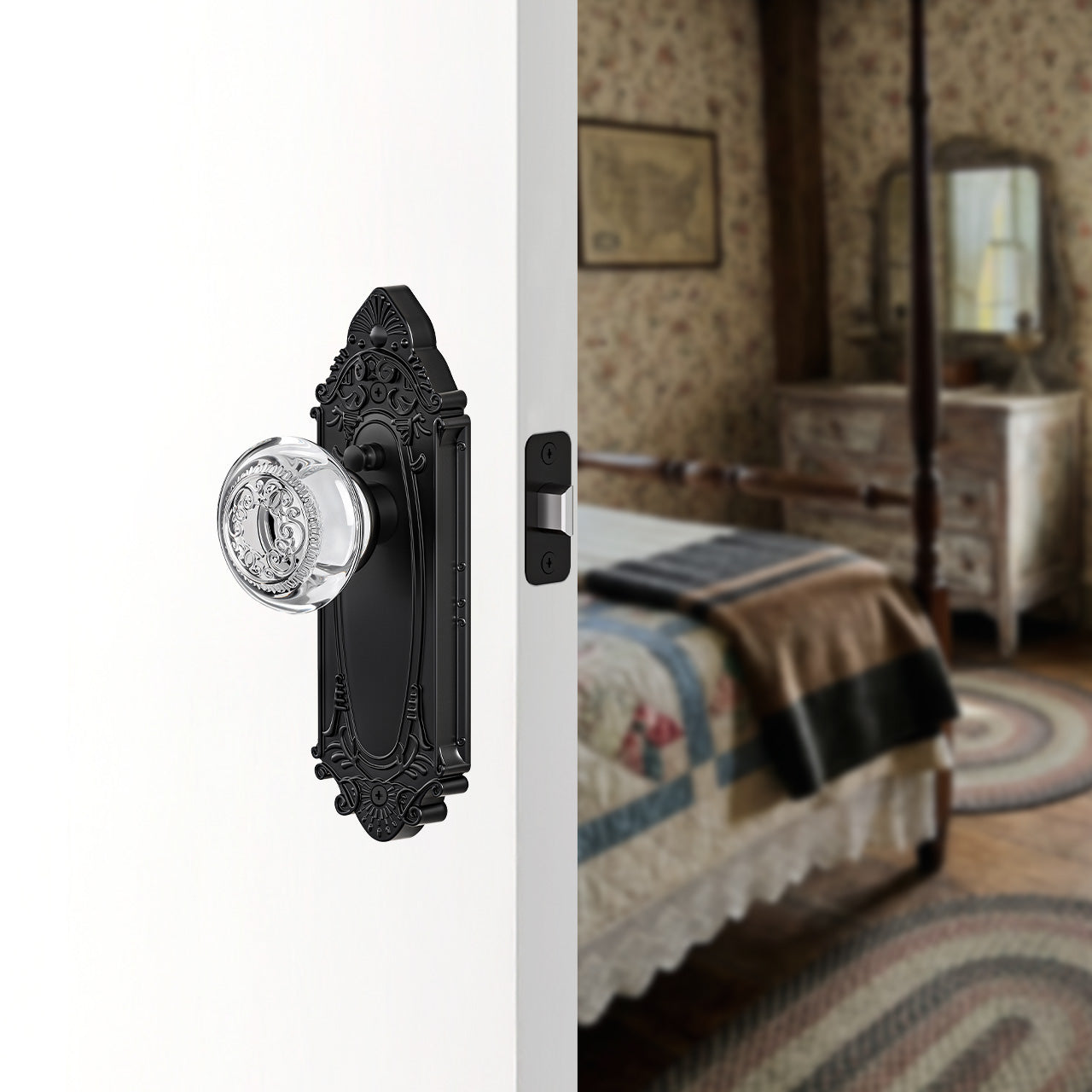
Many older homes feature door preparations that don't match today's lock dimensions.
Common issues include:
- Oversized holes
- Misaligned lock openings
- Previous hardware modifications
A reinforcement plate can help adapt older doors to modern locksets while improving overall stability.

3. Improving Door Security
A reinforced lock area is more resistant to:
- Kick-in attempts
- Forced entry
- Wood splitting around the lock
While a reinforcement plate is not a substitute for a high-security lock, it can significantly strengthen one of the most vulnerable areas of a door.
4. Covering Cosmetic Damage
Replacing door hardware often leaves:
- Paint marks
- Exposed screw holes
- Uneven surfaces
- Visible wear around the lock
A reinforcement plate provides a clean, finished appearance while hiding previous damage.
Signs Your Door May Need Reinforcement
You may benefit from a reinforcement plate if:
- The wood around the knob is cracked
- The deadbolt area feels loose
- The lock hole has become enlarged
- The door has been repaired multiple times
- You're upgrading an older door to modern hardware
- The door shows signs of wear after years of use
Door Reinforcement Plate vs. Replacing the Entire Door
| Door Reinforcement Plate | Door Replacement |
|---|---|
| Lower cost | Higher cost |
| Quick installation | More labor intensive |
| Repairs localized damage | Replaces entire structure |
| Improves security | Improves security |
| Minimal disruption | Major project |
For many homeowners, a reinforcement plate provides an effective repair solution without the expense of replacing a door.
How to Install a Door Reinforcement Plate

Most reinforcement plates can be installed using basic household tools.
Step 1: Remove Existing Hardware
Remove the door knob, lock, and deadbolt from the door.
Step 2: Position the Reinforcement Plate
Slide the plate over the existing door preparation and align all openings.
Step 3: Secure the Plate
Attach the plate according to the manufacturer's instructions.
Step 4: Reinstall Hardware
Install the lockset through the reinforcement plate and test operation.
Step 5: Check Alignment
Ensure the latch and deadbolt engage smoothly with the strike plate.
Can a Door Reinforcement Plate Improve Security?
Yes.
A reinforcement plate helps distribute force across a larger surface area, reducing stress on the wood surrounding the lock.
Benefits include:
- Stronger lock support
- Reduced risk of splitting
- Increased resistance to impact
- Longer service life for both door and hardware
For maximum protection, consider pairing a reinforcement plate with:
- Heavy-duty strike plates
- Longer mounting screws
- Quality deadbolt locks
Best Applications for Door Reinforcement Plates

Door reinforcement plates are commonly used on:
- Entry doors
- Garage entry doors
- Rental properties
- Older homes
- Doors with previous lock damage
- Doors being upgraded to new hardware
They are particularly useful when homeowners want to improve security without replacing the entire door.
Frequently Asked Questions
Will a reinforcement plate fit standard doors?
Most reinforcement plates are designed for standard residential doors, but always verify dimensions before purchasing.
Can I install one myself?
Yes. Most installations can be completed using basic tools and moderate DIY skills.
Does a reinforcement plate cover damaged wood?
Yes. Many reinforcement plates are specifically designed to conceal cosmetic damage around the lock area.
Can it be used on older doors?
Absolutely. Reinforcement plates are commonly used to adapt older doors for modern lock hardware.
Final Thoughts
A door reinforcement plate is one of the simplest ways to repair damaged lock areas, strengthen door security, and extend the life of an existing door.
Whether you're restoring an older home, repairing wear around a lock, or upgrading to modern hardware, a reinforcement plate can provide a durable and cost-effective solution without the need for a complete door replacement.