



A door that won't latch properly can be frustrating. You close the door, but it won't stay shut—or you have to push, lift, or slam it to make the latch catch.
Fortunately, most latching problems are caused by a few common issues that can often be fixed without replacing the entire lock.
In this guide, we'll explain why a door latch stops catching properly and show you several simple solutions that homeowners can try themselves.

Common Signs of a Door Latch Problem
If your door is experiencing any of the following symptoms, the latch may not be engaging correctly:
✔ Door won't stay closed
✔ Latch hits the strike plate but doesn't catch
✔ Door requires force to close
✔ Latch rubs against the strike plate
✔ Door pops open after closing
✔ Door only latches when lifted or pushed
These symptoms usually indicate an alignment issue rather than a faulty lock.
Why Your Door Won't Latch Properly
-
Strike Plate Misalignment
The most common cause is a strike plate that no longer lines up with the latch.
Over time:
- House settling
- Loose hinges
- Seasonal movement
- Everyday wear
can cause the door to shift slightly.
Even a small movement can prevent the latch from entering the strike plate opening correctly.

-
Wood Expansion From Humidity
Wooden doors naturally expand and contract as humidity levels change.
During humid seasons:
- Doors may swell
- Frames may shift
- Latches may no longer align perfectly
This often causes doors to stick and prevents the latch from catching correctly.

-
Loose Door Hinges
Loose hinge screws can cause the door to sag over time.
When this happens:
- The latch drops lower
- Alignment changes
- The strike plate opening no longer matches the latch position
Fortunately, this is often one of the easiest fixes.
-
Worn or Damaged Strike Plate
A damaged strike plate may prevent the latch from engaging properly.
Look for:
- Bent metal
- Enlarged openings
- Loose screws
- Cracked wood around the strike area
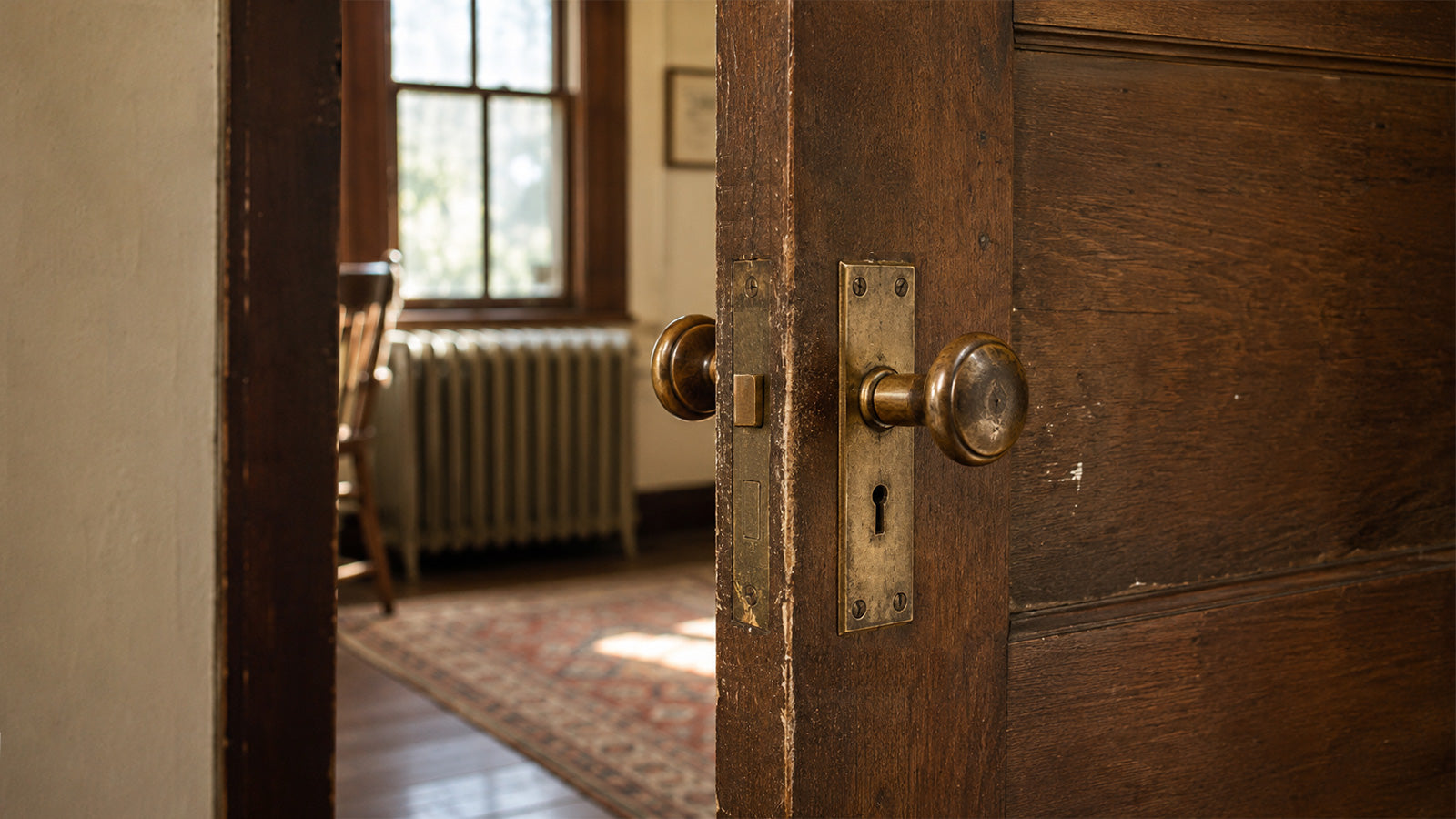
Older doors often develop wear after years of use.

-
Damaged or Worn Door Latch
Sometimes the latch itself is the problem.
Signs include:
- Latch doesn't spring back fully
- Latch sticks inside the lock
- Broken internal latch mechanism
If lubrication doesn't solve the issue, replacing the latch may be necessary.
How to Fix a Door That Won't Latch
Tighten the Hinges
Start with the simplest fix.
Use a screwdriver to:
- Tighten all hinge screws
- Test the door
- Check whether the latch aligns correctly
Many minor alignment problems are solved this way.
Adjust the Strike Plate
If the latch is slightly above or below the strike plate opening:
- Loosen the strike plate screws
- Reposition the strike plate
- Retighten the screws
- Test the door again
Small adjustments often restore proper latching.

Replace a Damaged Strike Plate
If the strike plate is worn or damaged, replacing it may restore proper operation.
A new strike plate can:
✔ Improve latch engagement
✔ Reduce wear
✔ Increase security
✔ Restore a clean appearance
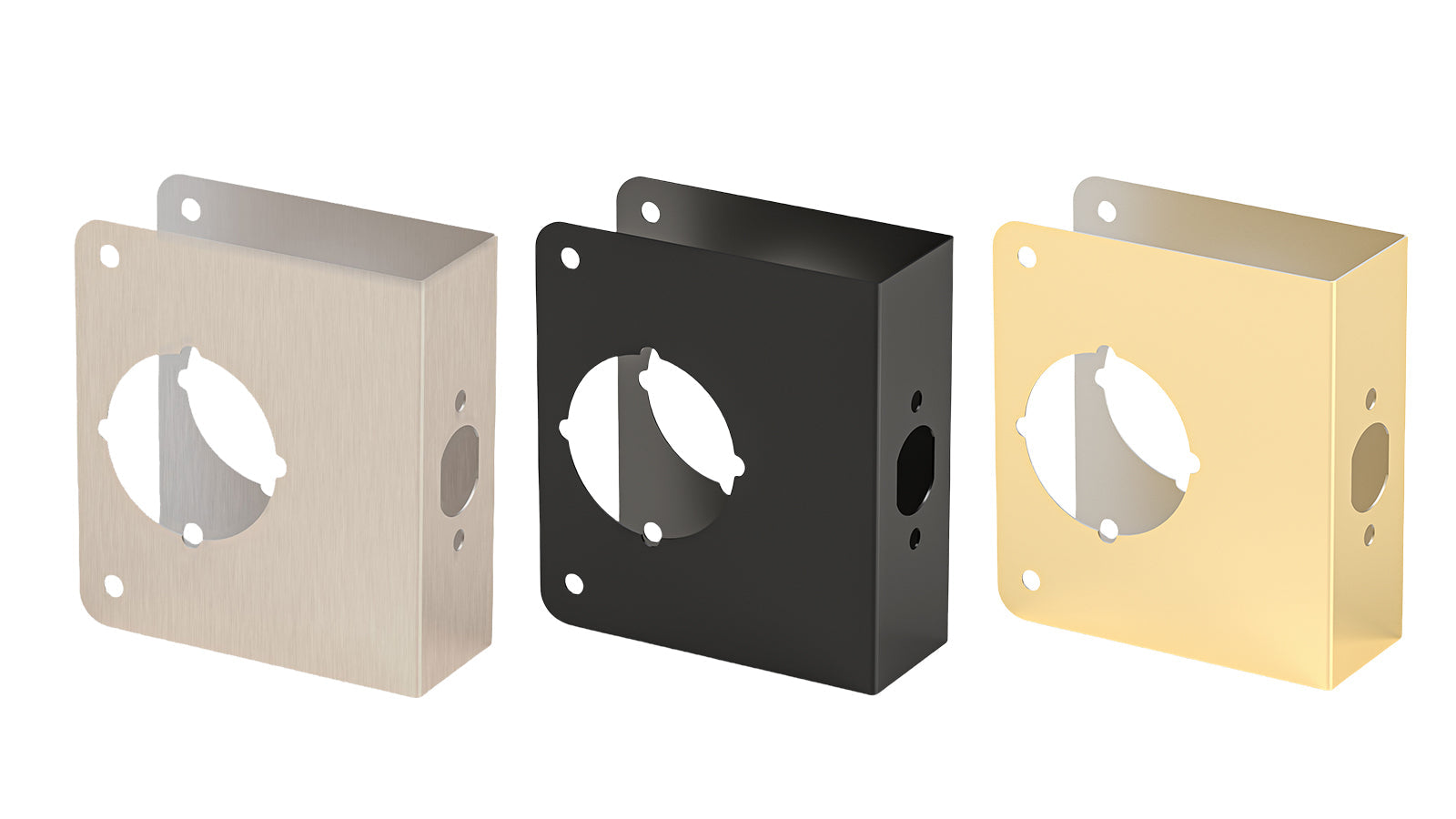
Install a Door Reinforcement Plate
For older or damaged doors, a reinforcement plate can help strengthen the lock area.
Benefits include:
✔ Covers damaged wood
✔ Reinforces weakened areas
✔ Supports hardware installation
✔ Improves long-term durability
This is especially useful for older wooden doors that have experienced years of wear.

Replace the Door Latch
If the latch mechanism is damaged internally, replacement is often the best solution.
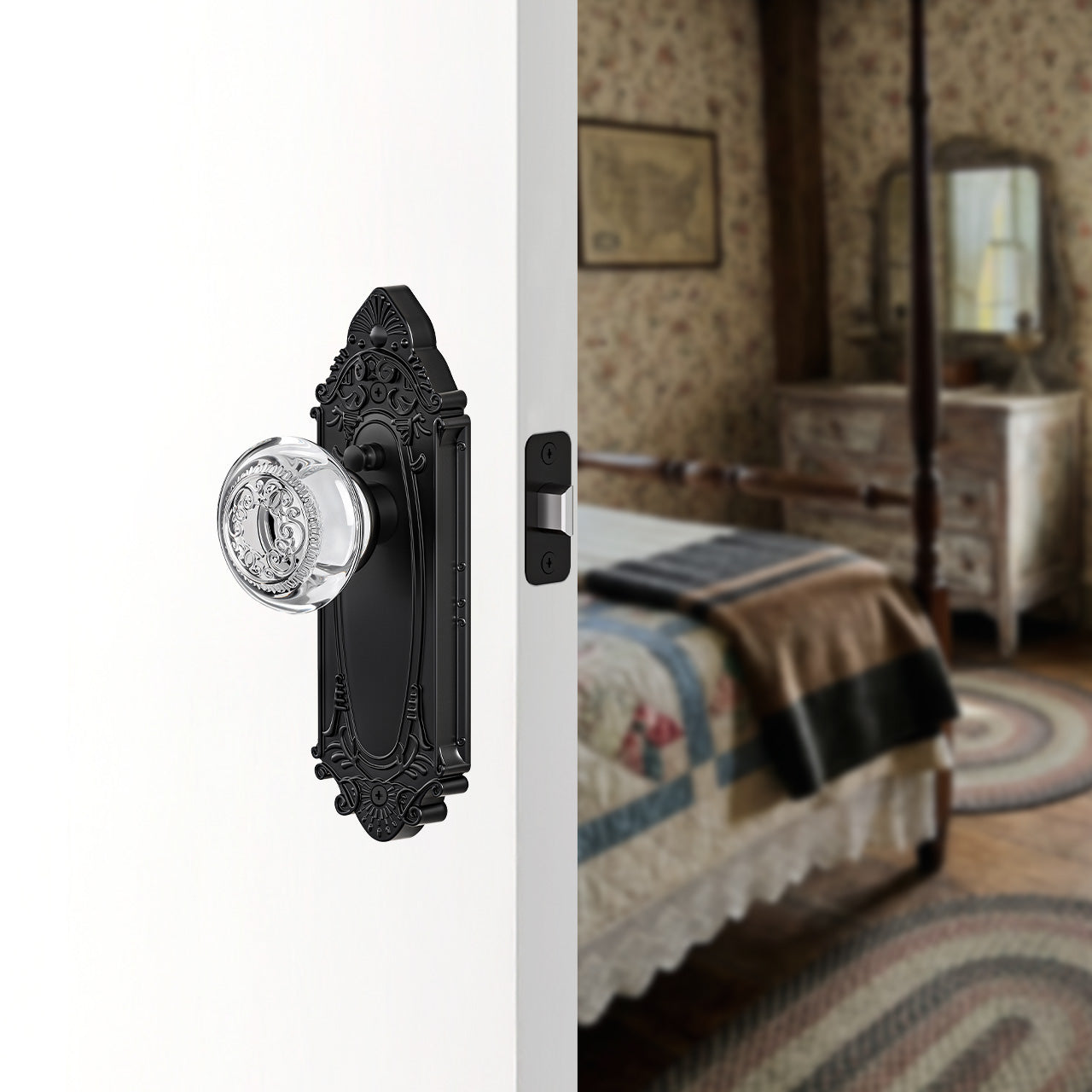
Modern adjustable latches are inexpensive and easy to install.
When Should You Replace the Entire Lock?
In most cases, a door that won't latch does not require a full lock replacement.
However, replacement may be necessary if:
- Internal lock parts are broken
- The latch no longer retracts properly
- Hardware is severely worn
- Security has been compromised
For many homeowners, replacing only the latch, strike plate, or reinforcement hardware is enough.
Final Thoughts
A door that won't latch properly is usually caused by misalignment rather than lock failure.
The most common causes include:
✔ Strike plate misalignment
✔ Loose hinges
✔ Humidity-related wood expansion
✔ Worn strike plates
✔ Damaged latches
By identifying the source of the problem, most homeowners can restore smooth door operation with a few simple adjustments.