



Mortise Lock Buying Guide: Types, Uses & How to Choose the Right One
Mortise locks are known for their durability, classic appearance, and solid feel.
Often found in older homes, luxury properties, and high-end door hardware, mortise lock systems offer both security and timeless style.
Whether you're restoring a historic home or upgrading your entryway with vintage-inspired hardware, this guide will help you understand how mortise locks work and how to choose the right one for your space.
What Is a Mortise Lock?

A mortise lock is a type of door lock installed inside a pocket, or “mortise,” cut into the edge of the door.
Unlike standard cylindrical locks, mortise locks use a larger internal lock body that fits deep inside the door structure.
A mortise lock system typically includes:
- A mortise lock body
- Door knobs or levers
- A spindle
- Decorative backplates or trim
- A latch and locking mechanism
Mortise locks are valued for their:
- Solid construction
- Smooth operation
- Decorative appearance
- Long-term durability

Where Are Mortise Locks Commonly Used?
Mortise locks are especially popular in:
- Historic homes
- Vintage renovations
- Luxury entry doors
- Apartment buildings
- Traditional interiors
- Solid wood doors
They are commonly seen on:
- Front entry doors
- Interior passage doors
- Office doors
- Double doors
- Decorative vintage-style doors
Mortise Lock vs Cylindrical Lock
Many homeowners compare mortise locks with standard cylindrical locks when upgrading door hardware.

Mortise Locks
Advantages:
- Heavier and more durable feel
- Elegant vintage appearance
- More decorative hardware options
- Often smoother operation over time
- Stronger internal structure
Considerations:
- More complex installation
- Requires a mortise pocket inside the door
- Usually more expensive

Cylindrical Locks
Advantages:
- Easier installation
- More common in modern homes
- Budget-friendly
- Simple replacement process
Considerations:
- Less decorative detail
- Lighter internal construction
- More limited vintage styling
Types of Mortise Lock Functions
Mortise locks are available in several functions depending on the room and level of privacy needed.
Passage Mortise Lock
A non-locking function used for:
- Hallways
- Closets
- Living rooms
The knob or lever operates freely from both sides.
Privacy Mortise Lock
Designed for:
- Bedrooms
- Bathrooms
- Home offices
Usually includes an interior privacy turn or push-button lock.
Entry Mortise Lock
Used on:
- Front doors
- Exterior entryways
Includes keyed locking functionality for added security.
Dummy Mortise Trim
A fixed decorative knob or handle without an active latch.
Often used for:
- French doors
- Double doors
- Decorative pull applications
How to Choose the Right Mortise Lock
1. Check Your Door Preparation
Mortise locks require a mortise pocket cut into the door.
Before purchasing, confirm:
- Door thickness
- Mortise dimensions
- Backset size
- Existing hardware layout
This is especially important when replacing older mortise hardware.
2. Match the Style of Your Home
Mortise locks are often chosen for their decorative appeal.
Popular Styles Include:
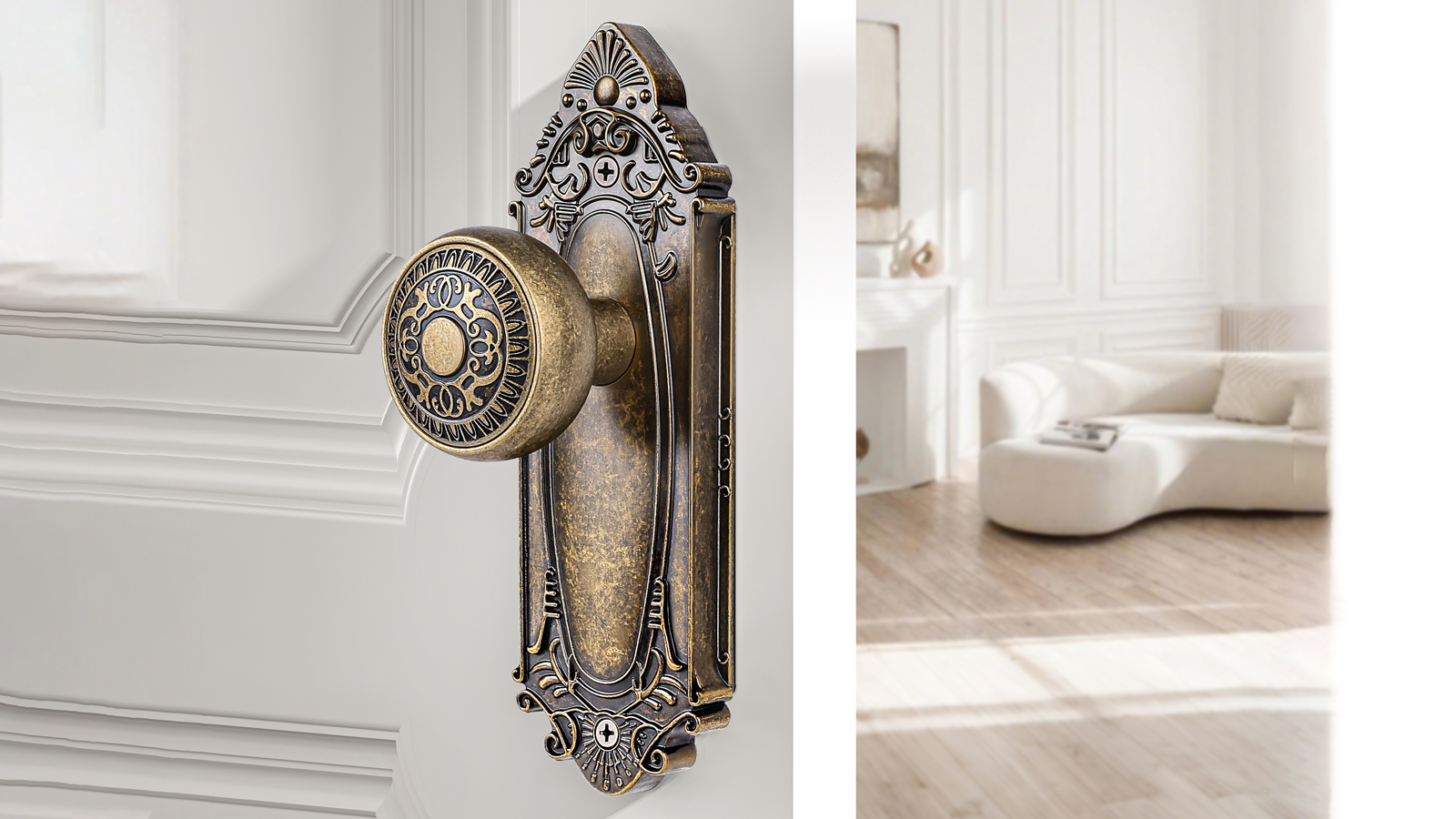
- Vintage brass hardware
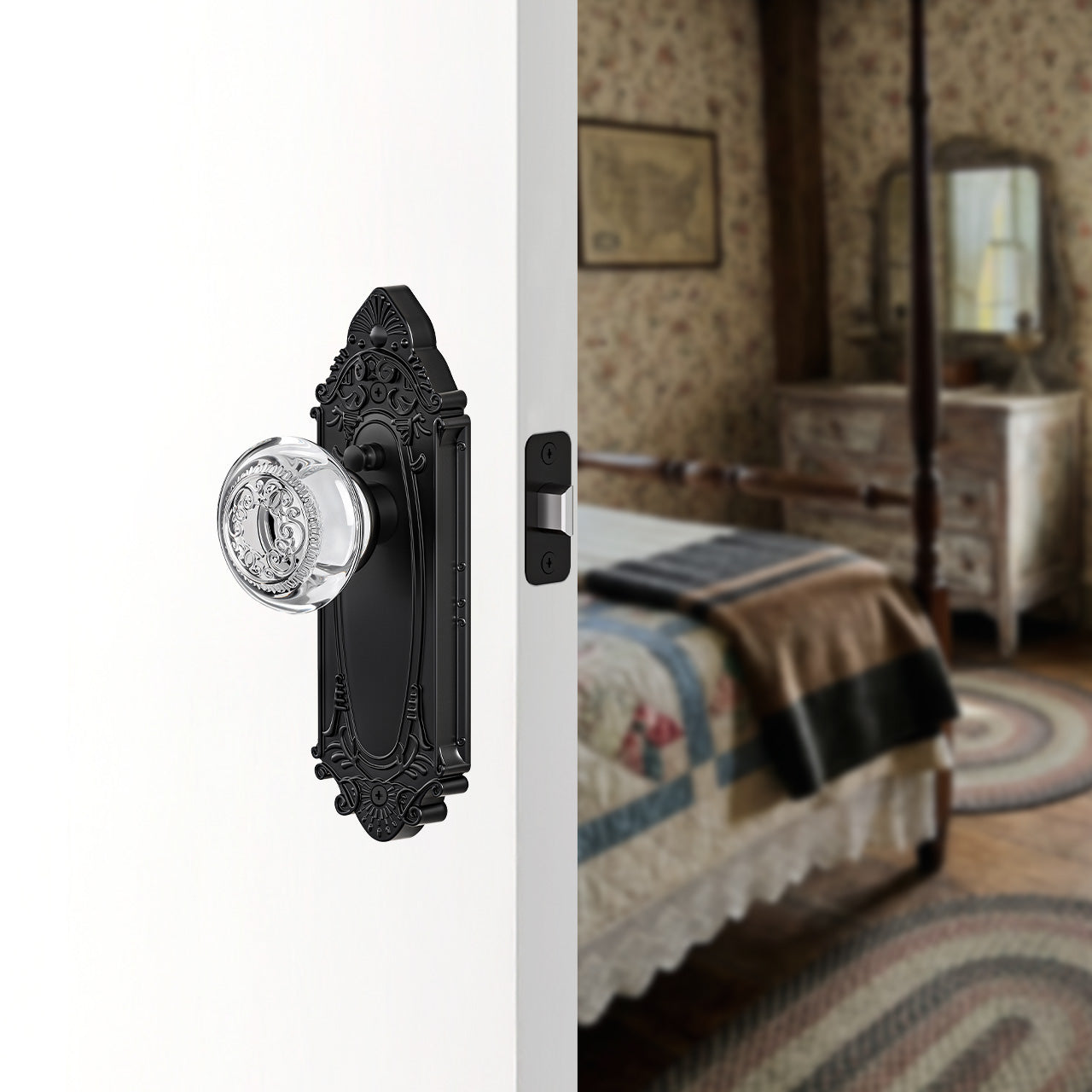
- Crystal door knobs with ornate backplates
- Matte black traditional designs
- Antique-inspired finishes
Decorative mortise hardware works especially well in homes with:
- Traditional architecture
- Historic details
- French doors
- Classic interior trim
3. Choose the Right Finish
The finish helps define the overall look of the door.
-
Antique Brass
Warm and timeless for vintage interiors. -
Matte Black
Bold and refined for modern traditional homes. -
Satin Nickel
Soft contemporary appearance with versatility. -
Polished Brass
Bright, elegant, and more decorative.
Are Mortise Locks More Secure?
Mortise locks are often considered more secure than standard cylindrical locks because of their larger internal lock body and stronger construction.
Many commercial buildings and older apartment properties continue to use mortise lock systems because of their durability and reliability.
However, overall security also depends on:
- Door quality
- Strike plate installation
- Deadbolt usage
- Proper installation
Can You Replace a Mortise Lock?
Yes, but measurements are extremely important.
When replacing an older mortise lock, carefully measure:
- Faceplate size
- Backset
- Lock body dimensions
- Door thickness
Older homes may use non-standard sizes, so compatibility should always be confirmed before purchasing replacement hardware.
Common Mortise Lock Questions
Are Mortise Locks Old-Fashioned?
Not at all.
While mortise locks are common in historic homes, they remain popular today because of their premium feel and decorative appearance.
Many homeowners intentionally choose mortise hardware to create a more timeless and elevated interior.
Can Mortise Locks Be Used on Interior Doors?
Yes.
Mortise locks are widely used on:
- Bedrooms
- Offices
- Dining rooms
- French doors
- Luxury interior spaces
Are Mortise Locks Difficult to Install?
They are generally more complex than standard cylindrical locks because the door requires a mortise pocket.
Professional installation is often recommended for new door preparations.
Final Thoughts
Mortise locks combine durability, security, and timeless style in a way few other lock systems can.
Whether you're restoring a historic home, upgrading a front entryway, or creating a more refined interior, mortise hardware offers a classic look with long-lasting performance.
From crystal knobs and ornate backplates to modern traditional finishes, the right mortise lock can elevate both the function and appearance of your doors for years to come.