



How Do I Know If a Door Knob Will Fit My Door?
Finding the perfect door knob is exciting—until you discover it doesn't fit your door.
One of the most common questions homeowners ask before purchasing new hardware is:
"Will this door knob fit my door?"
The good news is that most modern door hardware is designed around standard U.S. door preparations.
However, there are several important measurements and door conditions that should be checked before ordering.
In this guide, we'll walk through everything you need to know to ensure your new door knob fits correctly.
Why Door Compatibility Matters
Even the highest-quality door knob won't function properly if it isn't compatible with your door.
Common compatibility issues include:
✔ Incorrect door thickness
✔ Wrong backset measurement
✔ Non-standard bore holes
✔ Older mortise lock preparations
✔ Damaged or oversized openings
Fortunately, most of these issues can be identified in just a few minutes.

Step 1: Check Your Door Thickness
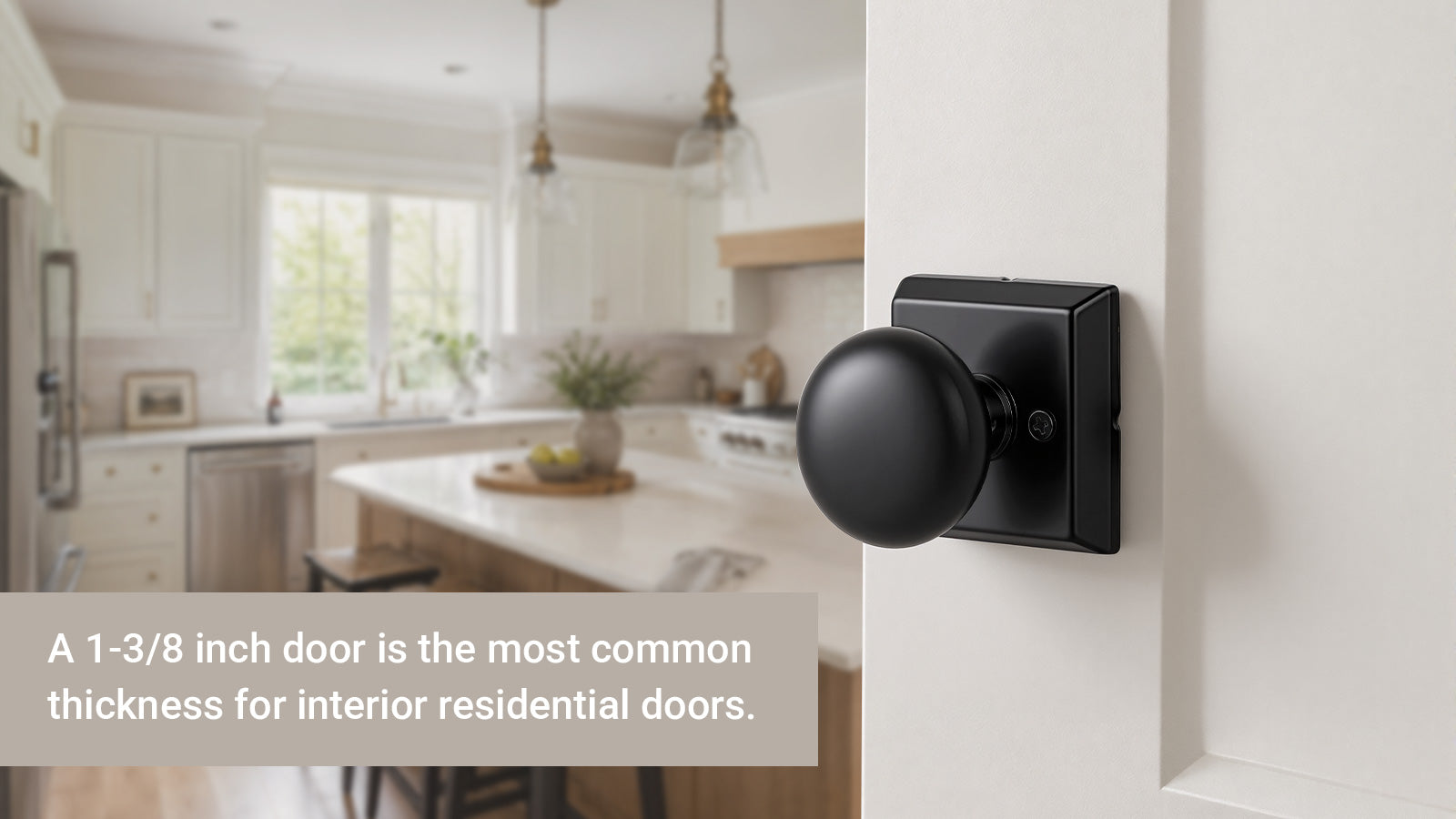
Door thickness is one of the most important compatibility measurements.
Common Residential Door Thicknesses
| Door Type | Typical Thickness |
|---|---|
| Interior Door | 1-3/8" |
| Exterior Door | 1-3/4" |
| Custom Entry Door | 2-1/4" |
Most residential door knobs are designed to fit:
✔ 1-3/8" to 1-3/4" doors
Thicker doors may require specialty hardware or extended mounting kits.

Step 2: Measure the Backset
Backset refers to the distance from the edge of the door to the center of the main bore hole.
Standard U.S. Backsets
✔ 2-3/8"
✔ 2-3/4"
Most modern latches are adjustable and support both sizes.
However, older doors may use non-standard measurements.

Step 3: Verify the Bore Hole Size
The bore hole is the large circular opening where the door knob installs.
Standard Bore Hole
✔ 2-1/8"
Most modern residential door knobs are designed around this standard.
If your door uses a smaller or larger opening, additional modifications may be required.
Step 4: Check the Latch Opening
Look at the edge of the door where the latch installs.
Most doors use:
✔ Square corner faceplates or ✔ Round corner faceplates
Modern adjustable latches often support both configurations.

Step 5: Determine Whether You Have a Mortise Door
This is where many compatibility problems occur.
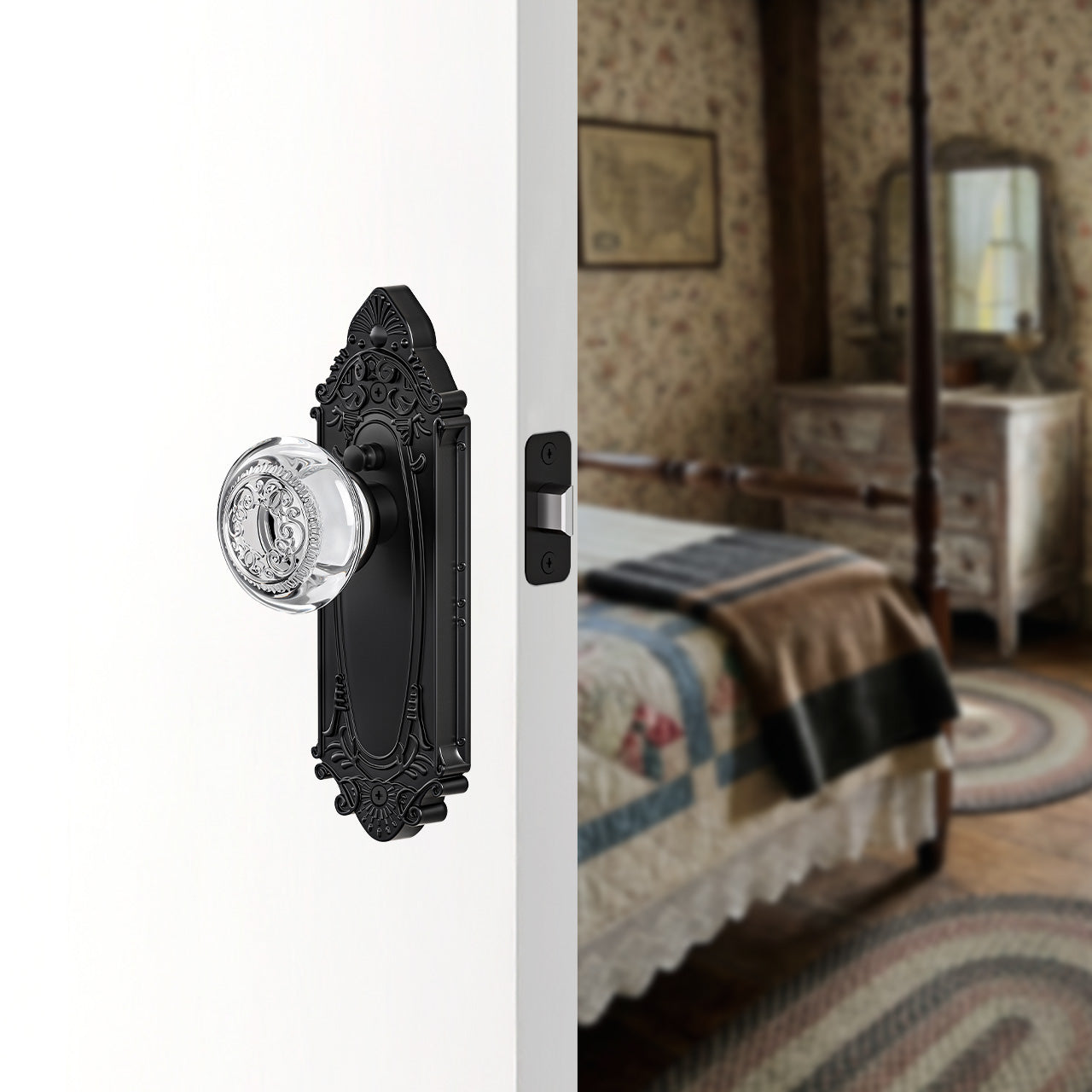
Older homes may use mortise locks instead of modern cylindrical locksets.
Signs You Have a Mortise Door
✔ Large rectangular lock body
✔ Long decorative backplates
✔ Skeleton key hardware
✔ Tall escutcheon plates
✔ Rectangular pocket inside the door edge
Mortise doors often require special hardware or additional preparation.

What If My Door Has Damage or Oversized Holes?
Older doors frequently have:
✔ Enlarged bore holes
✔ Cracked wood
✔ Previous hardware marks
✔ Mortise conversion openings
In these situations, a reinforcement plate may help.
Door reinforcement plates can:
✔ Cover oversized openings
✔ Reinforce weakened wood
✔ Improve appearance
✔ Help support modern hardware installation
For many homeowners, reinforcement plates provide an easier alternative to replacing the entire door.

Quick Compatibility Checklist
Before purchasing a door knob, verify:
✔ Door thickness
✔ Backset
✔ Bore hole size
✔ Latch opening style
✔ Mortise or standard door preparation
✔ Overall door condition
If all measurements fall within standard residential ranges, most modern hardware should fit without major modifications.
FAQ
Will most door knobs fit a standard door?
Yes. Most modern residential door knobs are designed for standard U.S. door preparations.
How do I know if my door is too thick?
Measure the door edge. Doors thicker than 1-3/4" may require specialty hardware or thick-door kits.
Can I install a modern door knob on a mortise door?
Sometimes, but additional preparation or reinforcement plates may be required.
What if my door has oversized holes?
A reinforcement plate can often help cover damage and improve hardware installation.
Final Thoughts
Most modern door knobs are designed to fit standard residential doors, but it's always worth checking a few key measurements before purchasing.
By verifying door thickness, backset, bore hole size, latch configuration, and whether the door uses a mortise lock, you can avoid installation surprises and choose hardware that fits properly the first time.
For older or damaged doors, reinforcement plates can often provide a practical solution that allows modern hardware to be installed without replacing the entire door.