



Many older homes still use traditional mortise locks that were installed decades ago.
While mortise locks are known for their durability and classic appearance, homeowners often wonder whether they can upgrade to modern door hardware without replacing the entire door.
One of the most common questions is:
Can I replace a mortise lock with a modern door knob?
The short answer is:
Yes, in many cases you can—but it usually requires more than a simple hardware swap.
In this guide, we'll explain the differences between mortise locks and modern cylindrical locksets, what challenges to expect, and the best options for upgrading an older door.
What Is a Mortise Lock?
A mortise lock is a lock system installed inside a rectangular pocket cut into the edge of the door.
Unlike modern cylindrical locks, mortise locks contain a large lock body housed within the door itself.
Common characteristics include:
✔ Large rectangular lock case
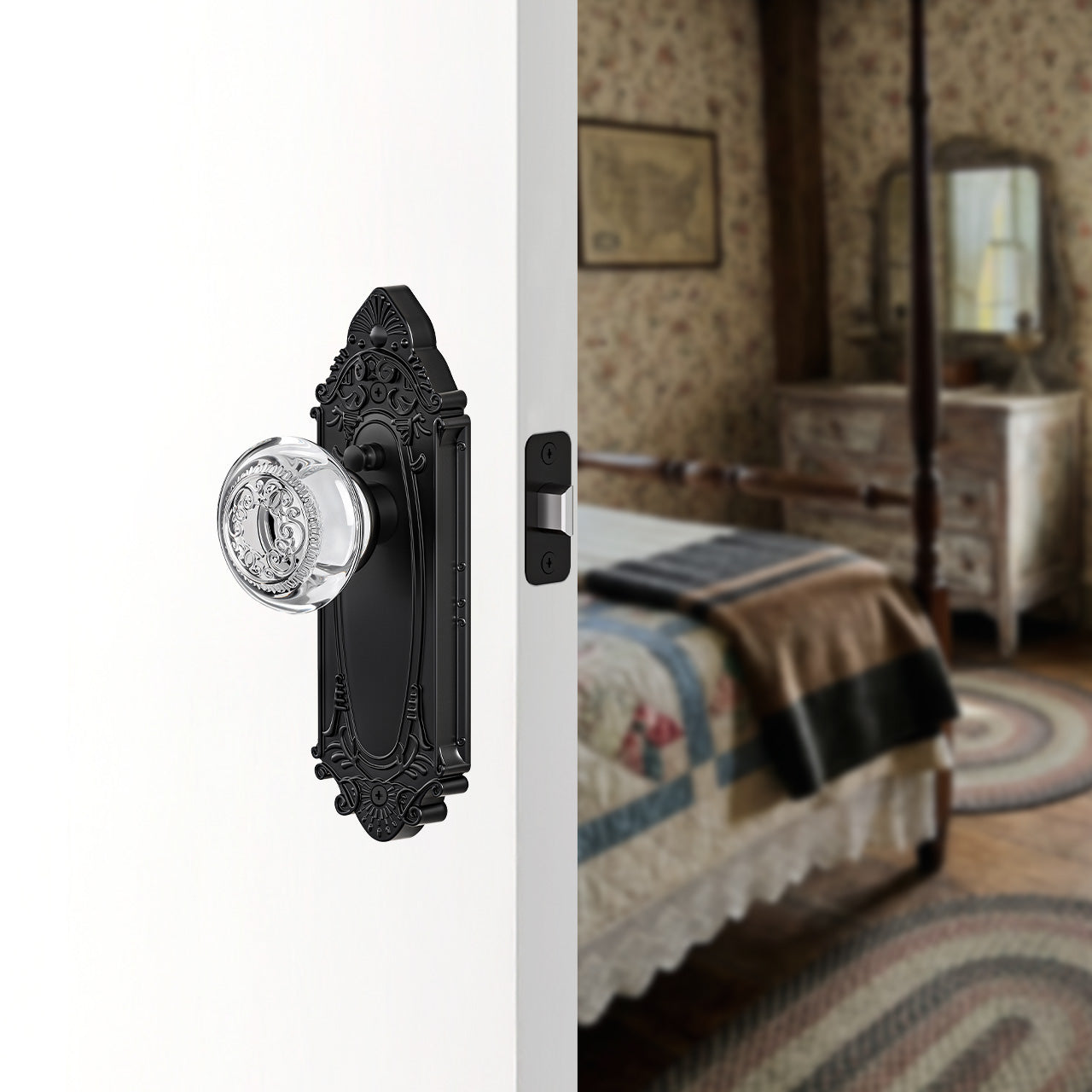
✔ Long decorative backplates
✔ Skeleton key or keyed cylinder
✔ Separate latch and locking mechanisms
Mortise locks were commonly used in homes built before the 1950s and are still found in many historic properties today.

How Is a Modern Door Knob Different?
Most modern door knobs use a cylindrical lockset design.
Instead of a large internal lock body, they rely on:
✔ 2-1/8" bore holes
✔ Tubular latches
✔ Standardized backsets
✔ Simplified installation
Because the door preparation is completely different, replacing a mortise lock is not always a direct replacement project.

Can You Replace a Mortise Lock With a Modern Door Knob?
In many situations, yes.
However, the difficulty depends on:
- Door condition
- Existing mortise opening size
- Door thickness
- Previous repairs
- Desired hardware style
Many homeowners successfully convert older doors while keeping the original door itself.
The conversion process usually involves modifying the existing lock area rather than simply replacing hardware.
Common Challenges During Conversion
Large Mortise Pocket
After removing the mortise lock body, a large rectangular cavity remains inside the door.
This opening often requires:
✔ Wood repair
✔ Structural reinforcement
✔ Hardware adaptation
before a modern lock can be installed securely.
Visible Hardware Marks
Older mortise locks typically use:
✔ Long backplates
✔ Decorative escutcheons
✔ Large mounting footprints
Removing them may leave:
- Screw holes
- Paint shadows
- Exposed wood
- Uneven surfaces
Damaged Wood Around the Lock Area
Older doors often develop:
✔ Cracks
✔ Enlarged holes
✔ Loose screw locations
✔ Softened wood fibers
These conditions may affect the stability of a modern lock installation.

How Door Reinforcement Plates Can Help
One of the easiest ways to simplify a mortise lock conversion is by using a door reinforcement plate.
Benefits include:
✔ Covers oversized openings
✔ Conceals previous hardware marks
✔ Reinforces weakened wood
✔ Creates a stronger mounting surface
✔ Improves the finished appearance
For many homeowners, reinforcement plates provide an effective solution without replacing the entire door.
Alternative Upgrade Options
Not every mortise lock should be converted.
Consider these options.
Option 1: Keep the Existing Mortise Lock
Best for:
✔ Historic homes
✔ Original restorations
✔ Architectural preservation
Option 2: Install a Modern Mortise Lock
Best for:
✔ Maintaining traditional proportions
✔ Preserving original door preparation
✔ Upgrading functionality
Option 3: Convert to a Cylindrical Door Knob
Best for:
✔ Easier maintenance
✔ More hardware choices
✔ Simplified future replacement
✔ Modern security upgrades

When Does Conversion Make Sense?
Converting a mortise lock is often a good option when:
✔ The original lock no longer functions properly
✔ Replacement parts are difficult to find
✔ Modern security is desired
✔ The homeowner prefers contemporary hardware
✔ The door structure remains sound
If preserving historical authenticity is important, maintaining a mortise lock may be the better choice.
Frequently Asked Questions
Can every mortise lock be replaced with a modern door knob?
Not always. The condition of the door and the size of the existing mortise opening will affect the conversion process.
Will I need to fill old holes?
In many cases, yes. Mortise lock removal often leaves openings that need to be repaired or covered.
Do reinforcement plates help with mortise conversions?
Yes. Reinforcement plates can strengthen the door and improve the appearance of the finished installation.
Is conversion cheaper than replacing the door?
For most homeowners, converting the lock is significantly less expensive than replacing the entire door.

Final Thoughts
Replacing a mortise lock with a modern door knob is often possible, but it requires careful evaluation of the existing door.
The biggest challenges usually involve oversized openings, hardware footprints, and worn wood around the lock area.
Fortunately, reinforcement plates, modern mortise options, and proper door preparation can make it possible to upgrade older doors without sacrificing their character or replacing the entire door.