



How to Replace Vintage Door Hardware & Mortise Locks
A Practical Guide to Restoring Classic Doors with Confidence
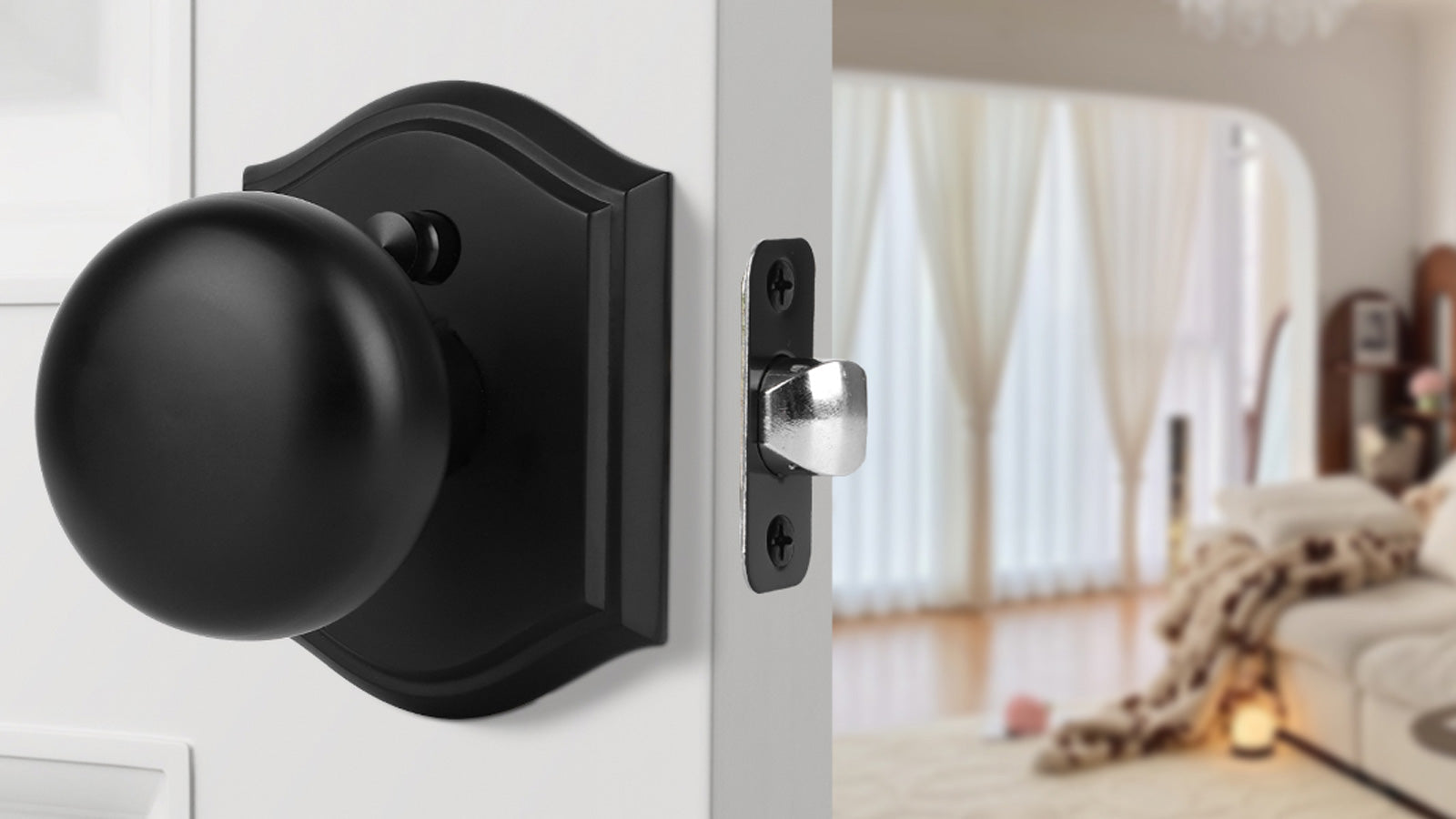
Vintage door hardware brings a level of craftsmanship, weight, and character that modern hardware often lacks. Whether you’re restoring an old home or upgrading a classic interior, replacing antique-style door knobs and mortise locks requires a different approach than standard modern hardware.
This guide walks through where to find the right parts, how to replace them properly, and how to tell authentic vintage hardware from low-quality imitations.
Understanding Old-Style Door Hardware & Mortise Locks
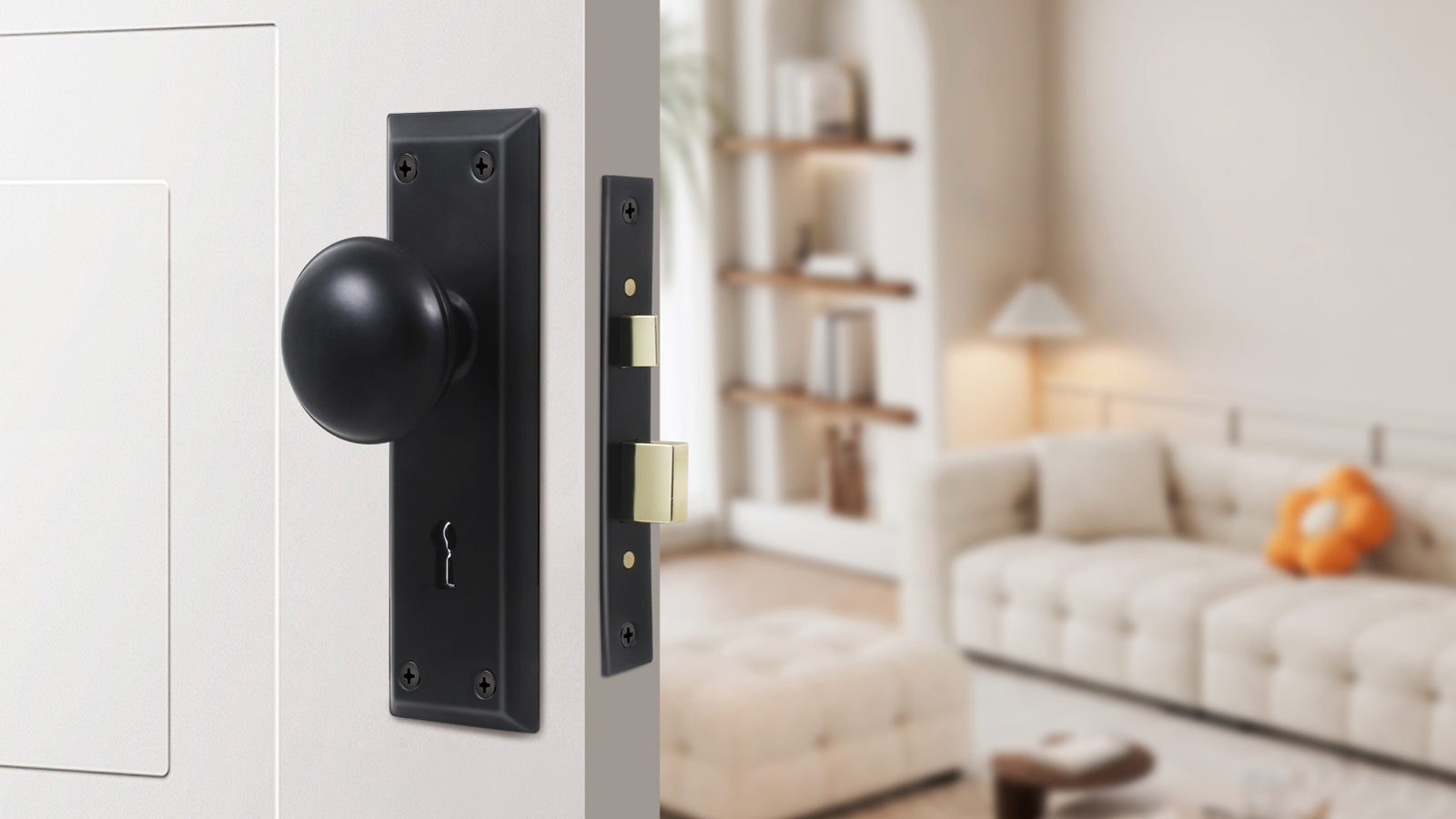
Unlike modern tubular locks, traditional doors often use mortise lock systems—a rectangular lock body recessed into the edge of the door.
These systems typically include:
- A mortise lock body
- A threaded spindle (shaft)
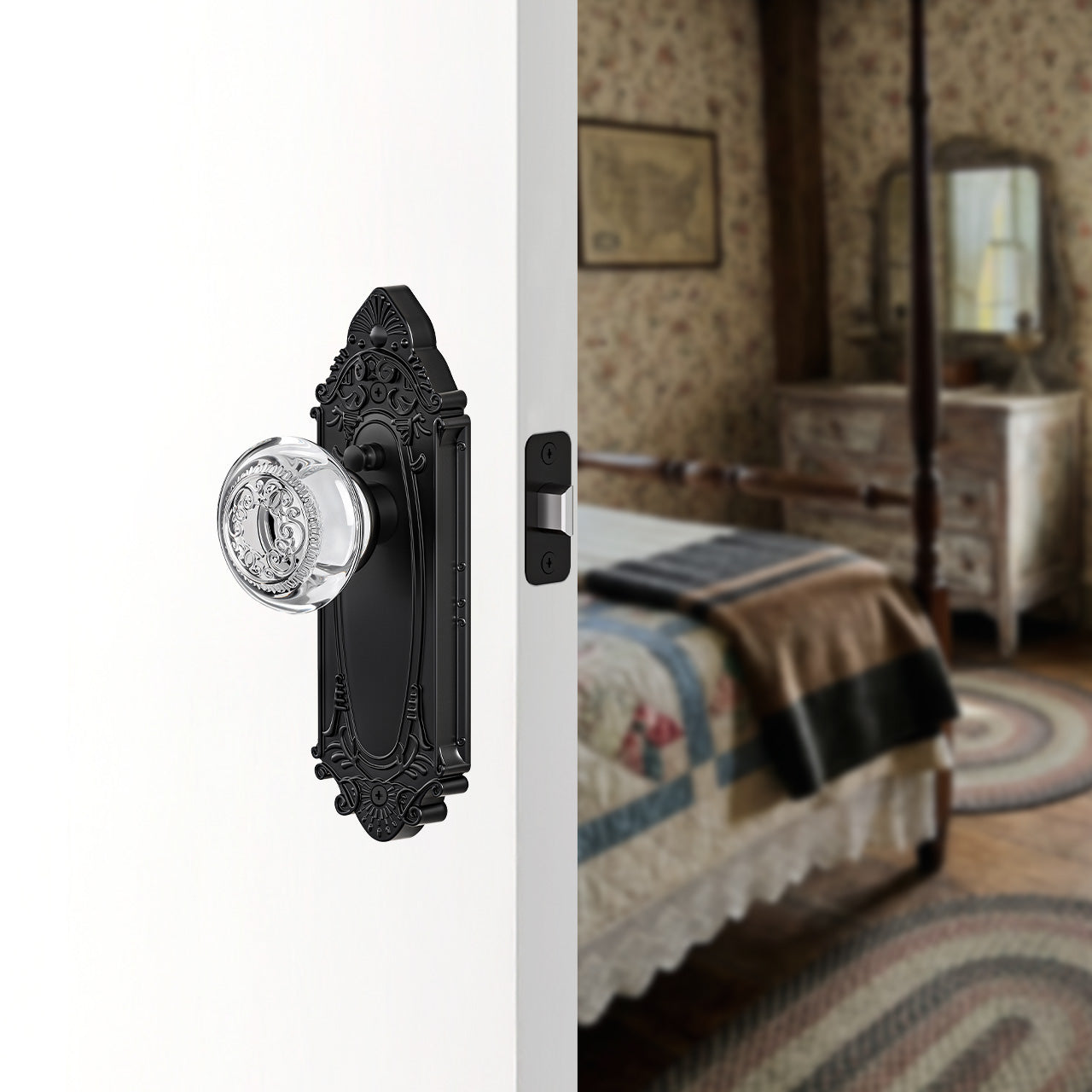
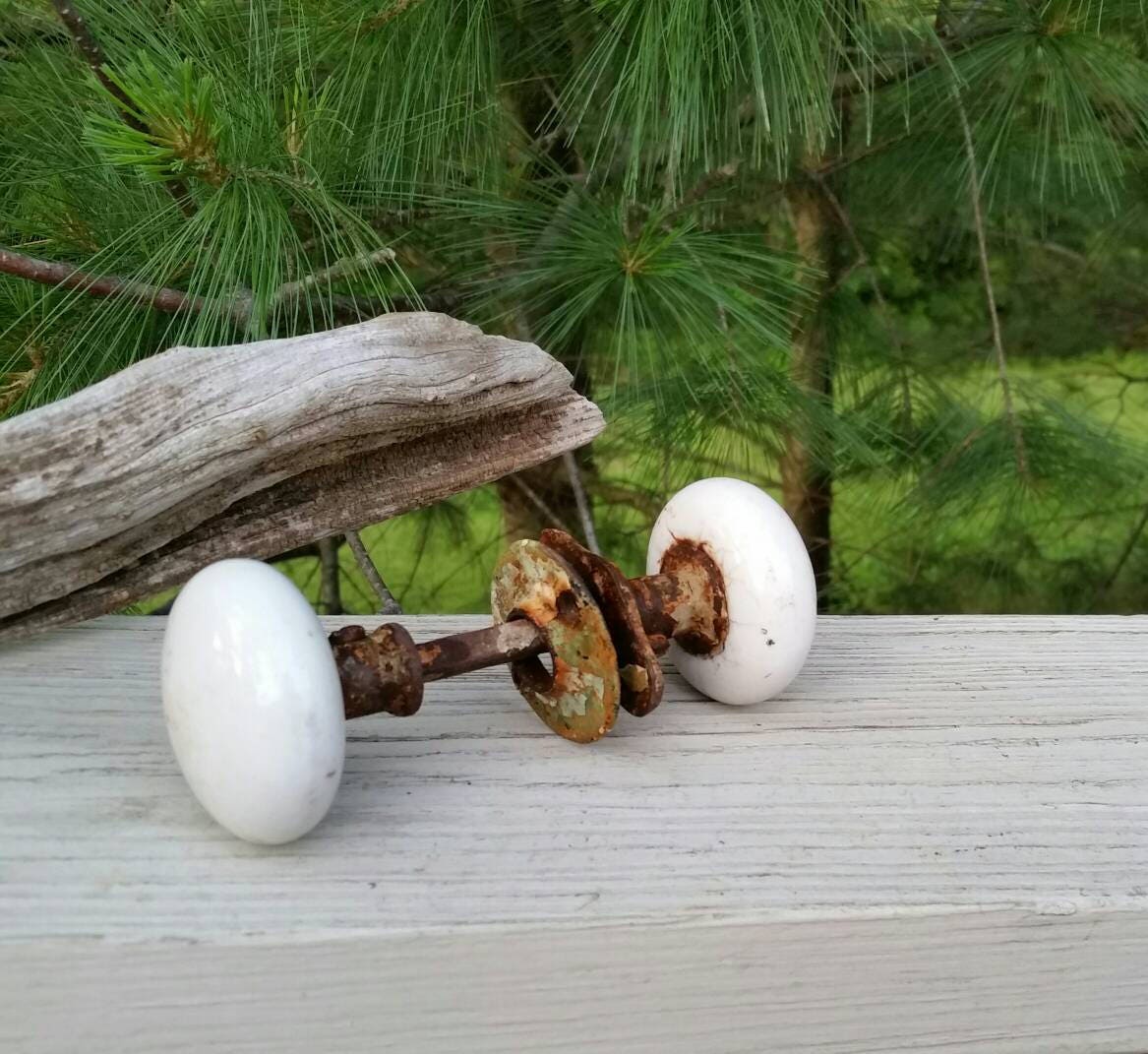
- Door knobs (glass, crystal, brass, or porcelain)
- Decorative backplates or escutcheons
Because these components were often manufactured to different standards decades ago, compatibility matters.

Where to Find Vintage & Antique-Style Door Hardware
1. Specialized Vintage Hardware Retailers
These suppliers focus on authentic reproductions or restored original designs, ensuring proper proportions and materials:
- Antique Hardware Supply
- Nostalgic Warehouse
- Historic Houseparts
- Senyhardware – offering vintage-inspired crystal, brass, and decorative interior hardware with modern fit consistency
2. Architectural Salvage & Reuse Centers
Salvage yards can be ideal for true antique pieces, though availability varies:
- Olde Good Things
- Local building material reuse centers or architectural salvage shops
🛈 Tip: Salvage hardware may require cleaning, rethreading, or spindle replacement.
3. Online Marketplaces
Platforms like eBay and Etsy offer a wide range of vintage hardware, but condition and sizing consistency can vary.
4. Restoration & Repair Services
If your original hardware is damaged but irreplaceable, professional restoration is an option.
For example, Raven Restoration specializes in refurbishing antique hardware components.
Common Replacement Parts & Vintage Styles


Popular Vintage Knob Materials
- Fluted or faceted glass
- Crystal-style knobs
- Solid brass
- Porcelain or ceramic
Backplate & Escutcheon Styles
- Victorian ornamental designs
- Art Deco geometric plates
- Classic rectangular or oval escutcheons
Replacing the Mortise Lock: What to Know
If the original mortise lock is worn or damaged, modern replacement kits are available.
Some manufacturers (such as Prime-Line) offer retrofit mortise lock kits designed to fit older door cutouts while improving reliability.
When replacing:
- Match the mortise size as closely as possible
- Ensure the latch aligns with the existing strike plate
- Avoid enlarging the door pocket unless absolutely necessary
Critical Measurements Before You Buy
Before ordering any replacement hardware, measure carefully:
- Backset – distance from door edge to center of knob hole
- Door thickness – older doors often differ from modern standards
- Spindle length & thread type – especially important for glass or crystal knobs
📏 These dimensions determine whether your new hardware will seat correctly and operate smoothly.
Installation Tips for Vintage Door Knobs
Many traditional knobs secure to the spindle using a set screw located at the knob neck.
Important tips:
- Fully seat the knob before tightening
- Align both knobs evenly before final tightening
- Recheck set screws after installation to prevent loosening over time
⚠️ Improperly tightened set screws are the most common reason vintage knobs come loose.
How to Identify Authentic Vintage Hardware
True antique hardware has qualities that are hard to fake:
Natural Patina
- Uneven, time-earned aging
- Subtle color variation rather than uniform coating
Material Weight
- Solid cast brass or bronze feels noticeably heavier
- Avoid thin stamped metal if authenticity matters
🎯 Quality reproductions should still feel substantial—even if newly manufactured.
Final Thoughts: Restoring Character Without Compromise
Replacing vintage door hardware isn’t just about function—it’s about preserving the visual language of your home.
By choosing the right suppliers, measuring carefully, and respecting traditional installation methods, you can enjoy classic aesthetics with reliable modern performance.
Whether you’re sourcing authentic antiques or well-made reproductions, the right door hardware becomes a detail you’ll feel every day—literally.