



This guide walks you through everything you need to know—whether you're upgrading interior doors or refreshing your entryway.
1. Start With Function: What Type of Door Hardware Do You Need?

Before choosing style or finish, determine the correct function type:
-
✔ Passage (Hallway/Closet)
No lock. Ideal for hallways, closets, laundry rooms. -
✔ Privacy (Bedroom/Bathroom)
Has a lock but no key. Perfect for personal spaces. -
✔ Dummy (Non-turning)
One-sided decorative knob/pull. Ideal for bifold, pantry, or decorative doors. -
✔ Entry (Front Doors)
Includes keyed or keyless locking mechanisms.
2. Style Matters: Match Hardware to Your Home Aesthetic

Your hardware should complement the décor of your room:
-
Modern Homes:
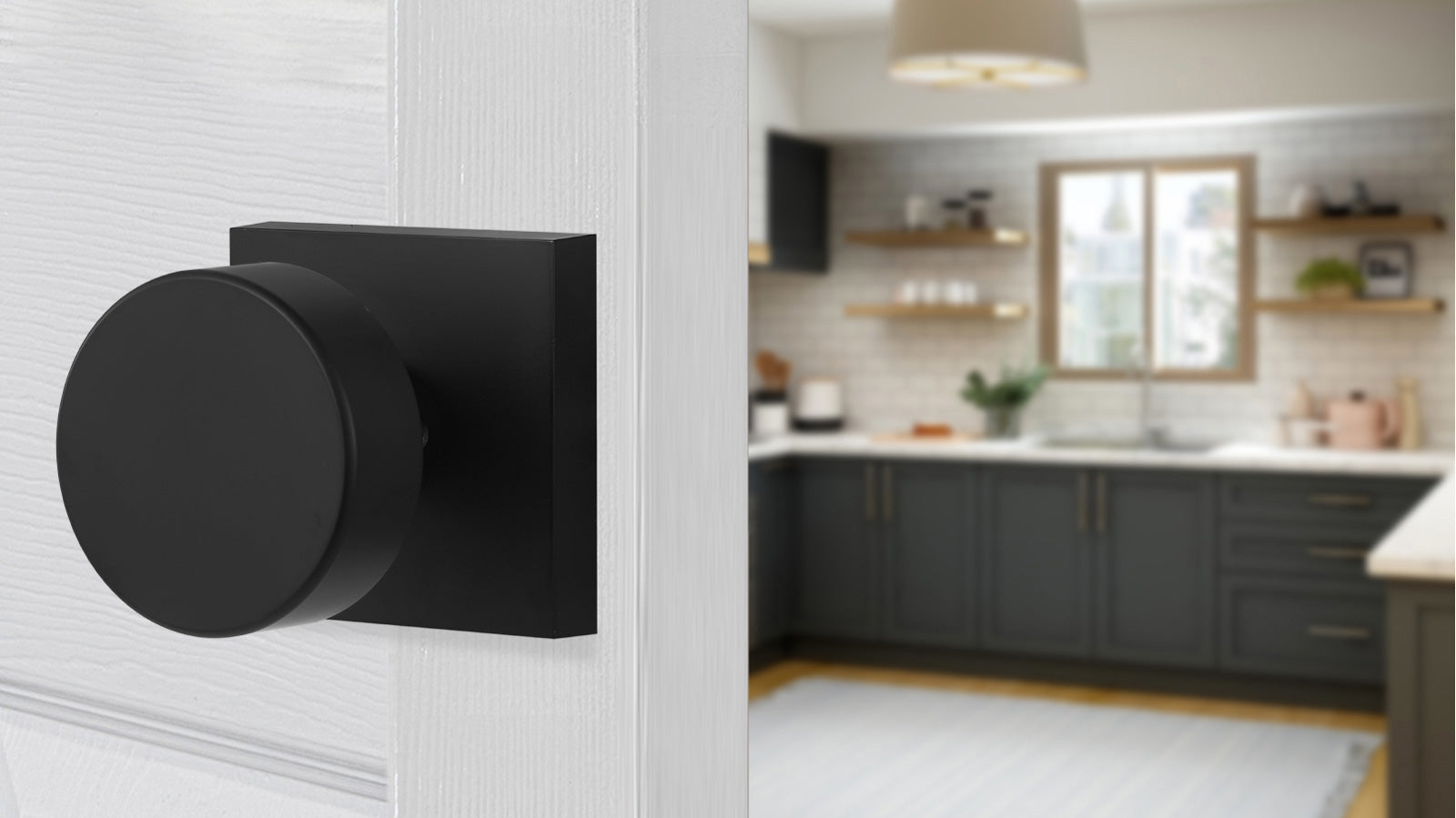
Satin brass, matte black, polished chrome, minimal shapes. -
Vintage or Traditional Homes:
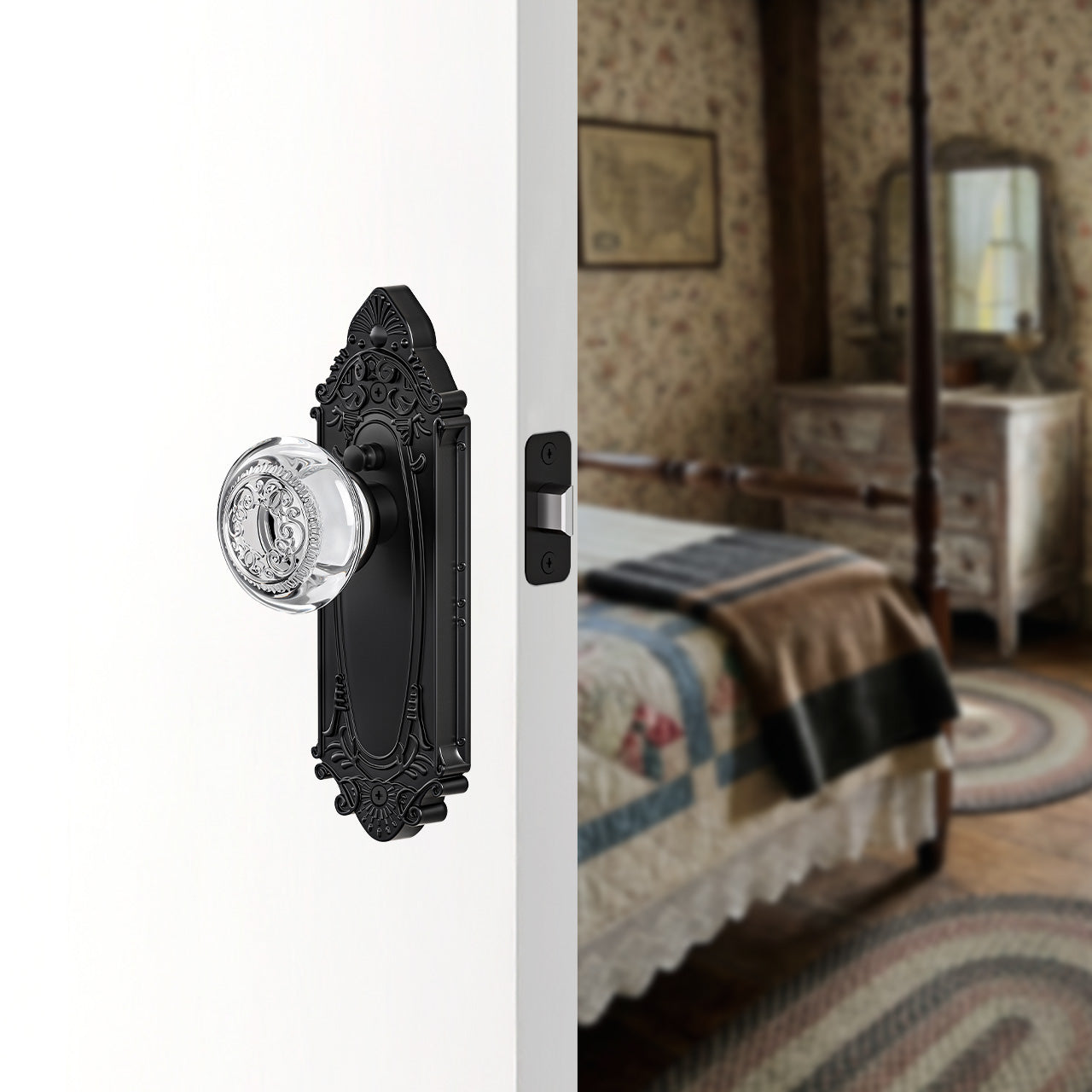
Crystal knobs, antique brass, ornate backplates. -
Farmhouse or Rustic Spaces:
Oil-rubbed bronze, warm brass, textured hardware.
3. Choose the Right Finish
Most popular finishes in 2025:
- Satin Brass (warm, luxurious)
- Matte Black (clean, modern, high contrast)
- Polished Nickel (bright, elegant)
- Antique Brass (vintage charm)
Tip: Keep finishes consistent across a room for a polished look.
4. Don’t Forget Door Fitment
To avoid returns or installation issues, check:
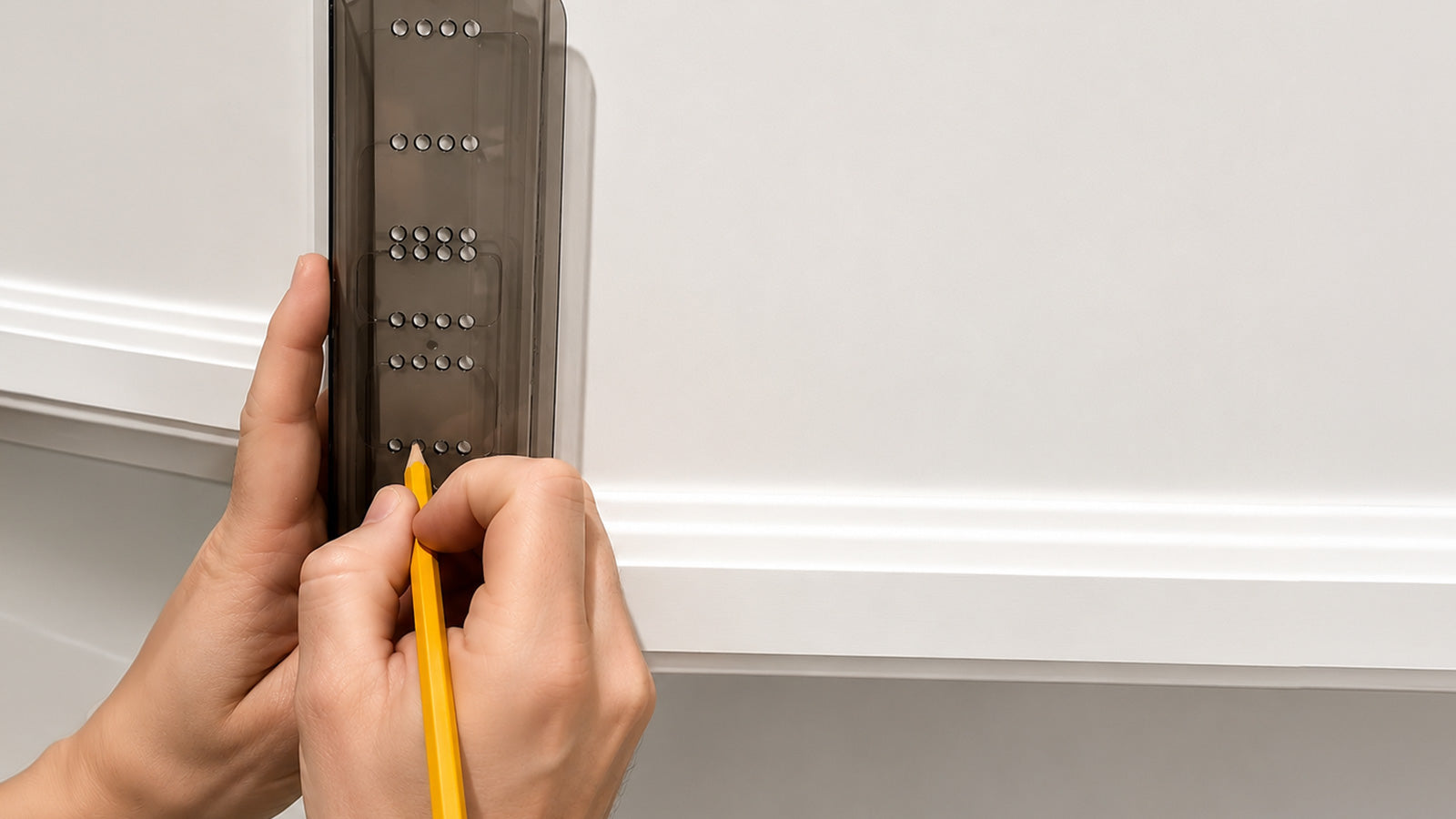
- Door thickness (commonly 1-3/8" to 1-3/4")
- Backset (2-3/8" or 2-3/4")
- Existing borehole size
5. Choose Quality for Longevity
Premium door hardware feels smoother, lasts longer, and enhances the home experience.
Look for:
- Solid metal construction
- Smooth turning mechanism
- Rust-resistant plating
- Brand warranty
If you prefer geometric hardware styles, square crystal door knobs with square backplates can create a strong architectural statement.
Conclusion
Choosing the right door hardware elevates your home’s look instantly. Whether you're into modern minimalism or vintage charm, the perfect handle sets the tone for your whole space.