


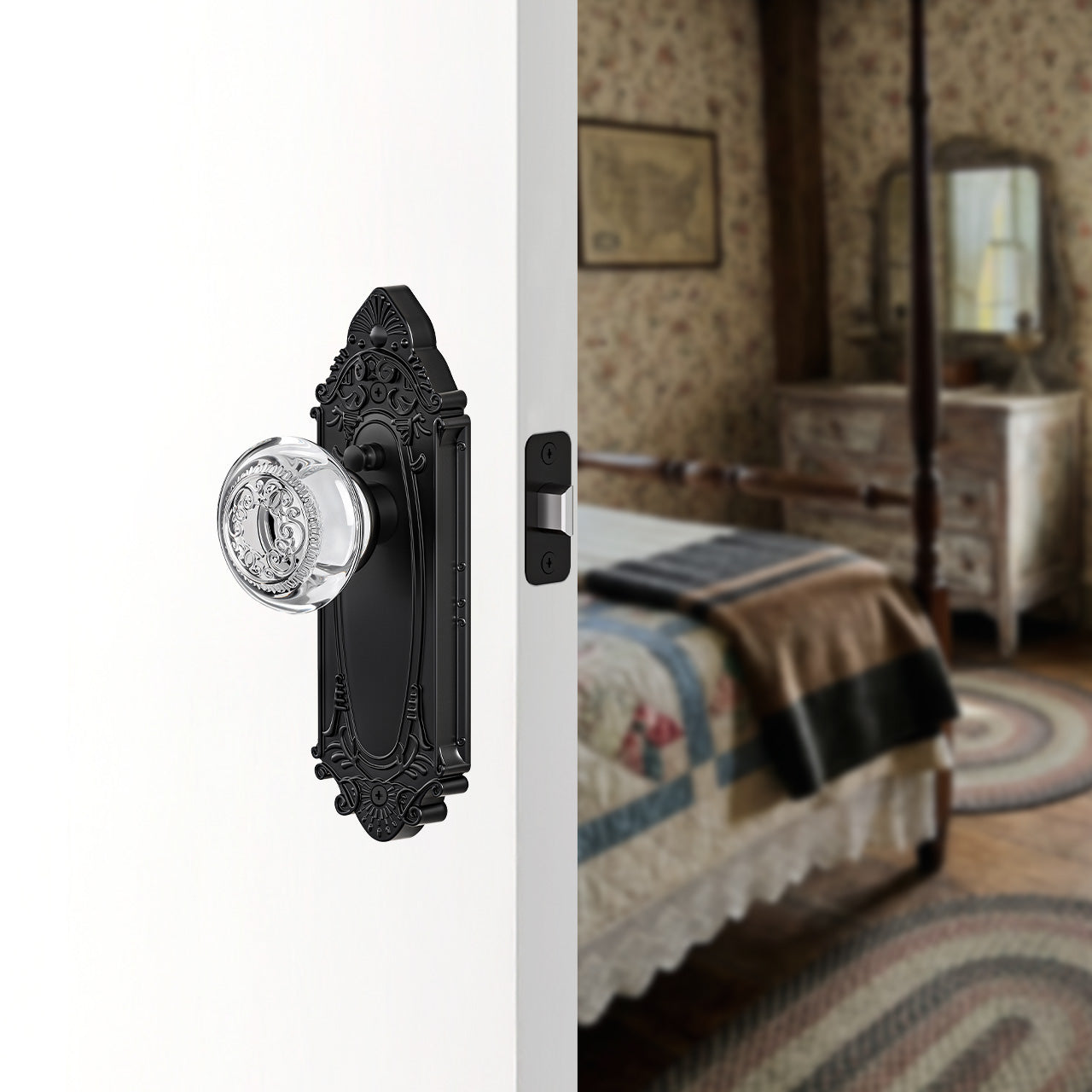


Why Is My Door Knob Hard to Turn?
A door knob should turn smoothly with minimal effort.
If you find yourself twisting harder than usual, jiggling the knob, or forcing the door open, something is likely preventing the mechanism from operating correctly.
Fortunately, a stiff or difficult-to-turn door knob is often caused by a few common issues that can be fixed without replacing the entire lock.
In this guide, we'll explain the most common causes and how homeowners can troubleshoot the problem before purchasing new hardware.
Common Signs of a Stiff Door Knob
You may have a door knob problem if:
✔ The knob feels difficult to rotate
✔ The latch retracts slowly
✔ The door only opens after multiple attempts
✔ The knob sticks in certain positions
✔ Extra force is required to operate the lock
✔ The problem becomes worse over time
These symptoms often indicate wear, misalignment, or a latch issue.

1. The Latch Needs Lubrication
One of the most common causes is a dry latch mechanism.
Over time, dust, dirt, and everyday use can create friction inside the latch assembly.
Signs include:
- Squeaking sounds
- Rough operation
- Slow latch movement
How to Fix It
Apply a small amount of:
✔ Silicone spray
✔ Dry graphite lubricant
Avoid excessive oil-based products, as they may attract dirt and debris.
After lubricating, operate the knob several times to distribute the lubricant.

2. The Door Latch Is Worn Out
Door latches experience thousands of cycles over their lifetime.
Eventually, internal components can wear down.
Common signs include:
- Loose operation
- Delayed latch retraction
- Grinding noises
- Inconsistent performance
If lubrication doesn't help, replacing the latch may be necessary.

3. Strike Plate Misalignment
A misaligned strike plate can create pressure on the latch, making the knob harder to turn.
This often occurs because of:
- House settling
- Seasonal wood movement
- Loose hinges
- Everyday wear
When the latch rubs against the strike plate opening, additional force is required to operate the knob.
How to Fix It
✔ Tighten hinge screws
✔ Adjust the strike plate position
✔ Check latch alignment
Even minor adjustments can improve operation significantly.

4. Loose or Worn Hinges
Door sagging can place extra stress on the latch mechanism.
As hinges loosen:
- The latch may no longer align properly
- The door may rub against the frame
- The knob may become harder to turn
Inspect all hinge screws and tighten them if necessary.
Longer screws may help stabilize older doors.

5. Humidity and Seasonal Expansion
Wood doors naturally expand during humid weather.
This expansion can:
✔ Change door alignment
✔ Increase friction
✔ Put pressure on the latch
✔ Make the knob more difficult to operate
Many homeowners notice this problem during summer months or in humid climates.
If the issue is seasonal, minor latch or strike plate adjustments may solve the problem.
6. Internal Lock Failure
Older locksets can develop internal mechanical problems.
Symptoms include:
- Knob spins loosely
- Grinding sounds
- Sticking lock button
- Intermittent operation
When internal components fail, replacing the lockset is often the most reliable solution.
How to Troubleshoot a Hard-to-Turn Door Knob
Before replacing the hardware, try these steps:
Step 1: Test the Knob With the Door Open
Open the door and turn the knob.
If it works normally while open but becomes difficult when closed, alignment is likely the problem.
Step 2: Inspect the Strike Plate
Check whether the latch rubs against the strike plate opening.
Look for:
- Scratches
- Metal wear marks
- Misalignment
Step 3: Lubricate the Latch
Apply lubricant and test again.
Many minor issues are resolved within minutes.
Step 4: Tighten Hinges
Loose hinges are often overlooked but frequently contribute to latch problems.
Step 5: Evaluate Hardware Condition
If the lockset is old, damaged, or heavily worn, replacement may be the best long-term solution.

When Should You Replace the Door Knob?
Consider replacement if:
✔ The latch no longer retracts properly
✔ Internal parts are broken
✔ The lock sticks regularly
✔ The knob feels loose or unstable
✔ Repairs no longer solve the problem
Modern locksets are generally inexpensive and often easier to replace than repeatedly repair.
Frequently Asked Questions
Why is my door knob hard to turn only when the door is closed?
This usually indicates strike plate or latch alignment issues rather than a faulty knob.
Can lubrication fix a stiff door knob?
In many cases, yes. A dry latch mechanism is one of the most common causes.
Should I replace the latch or the entire lock?
If the latch is worn but the lockset is in good condition, replacing only the latch may be sufficient.
Can humidity affect door hardware?
Yes. Wood expansion can alter alignment and increase pressure on the latch mechanism.
Final Thoughts
A hard-to-turn door knob is usually caused by a latch, alignment, hinge, or lubrication issue rather than a complete lock failure.
By identifying the source of the problem early, many homeowners can restore smooth operation with simple adjustments and basic maintenance.
If the hardware is heavily worn or damaged, replacing the latch or lockset may provide the best long-term solution.
